Thingvellir National Park
🇮🇸 Iceland
🦆 Where Harlequin Ducks Ride Glacial CurrentsThingvellir National Park is a protected boreal landscape in southwestern Iceland defined by birch woodlands, moss-covered lava fields, and glacial streams. Visitors walk along dirt trails winding through low scrub and open wetlands carved between massive tectonic rifts.
64.282° N 21.102° W
Wildlife
⭐ Iconic Species
 ★
★ Redwing
Turdus iliacus
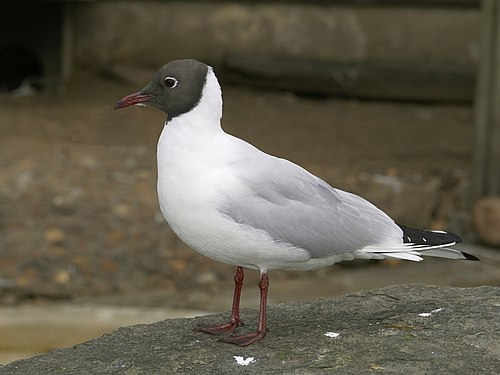 ★
★ Black-headed Gull
Chroicocephalus ridibundus
 ★
★ Harlequin Duck
Histrionicus histrionicus
📊 Most Spotted

Greylag Goose
Anser anser

Meadow Pipit
Anthus pratensis

White Wagtail
Motacilla alba

Common Snipe
Gallinago gallinago

Whimbrel
Numenius phaeopus

Arctic Tern
Sterna paradisaea

Mallard
Anas platyrhynchos

Red-breasted Merganser
Mergus serrator

Red-throated Loon
Gavia stellata

Lesser Black-backed Gull
Larus fuscus

European Golden Plover
Pluvialis apricaria

European Oystercatcher
Haematopus ostralegus


⭐ Iconic Species
★ Redwing
Turdus iliacus
★ Black-headed Gull
Chroicocephalus ridibundus
★ Harlequin Duck
Histrionicus histrionicus
📊 Most Spotted
Greylag Goose
Anser anser
Meadow Pipit
Anthus pratensis
White Wagtail
Motacilla alba
Common Snipe
Gallinago gallinago
Whimbrel
Numenius phaeopus
Arctic Tern
Sterna paradisaea
Mallard
Anas platyrhynchos
Red-breasted Merganser
Mergus serrator
Red-throated Loon
Gavia stellata
Lesser Black-backed Gull
Larus fuscus
European Golden Plover
Pluvialis apricaria
European Oystercatcher
Haematopus ostralegus
📊 Most Spotted
📊 Most Spotted
Animal Events
Spring Breeding Arrival
As the snow recedes, migratory waders like the Common Snipe return to the marshy grounds, displaying their distinctive aerial drumming courtship flights over the valley.
Midsummer Wetland Activity
The endless daylight of June brings peak breeding activity, where Whimbrel forage intensively in the dwarf birch scrub and damp meadows.
Late Summer Shoreline Foraging
Late summer sees adult gulls and ravens congregating near the lake margins and highlands, taking advantage of abundant seasonal food supplies before autumn sets in.
Sighting Calendar
Chance of spotting each species, month by month
Sighting Zones
Warm areas are where all species together are recorded most, so they track where people go as much as where animals are. For one species, see the map on its own page.
Where Wildlife Score
How good is this park for seeing wildlife?Biodiversity
GoodHow rich is the wildlife?
Sighting
GoodHow likely to see animals?
Quick answers
What animals can you see in Thingvellir National Park?
The most likely sightings are Greylag Goose (seen by 90–100% of wildlife watchers), Redwing (seen by 90–100% of wildlife watchers), Black-headed Gull (seen by 90–100% of wildlife watchers), Meadow Pipit (seen by 70–80% of wildlife watchers), White Wagtail (seen by 70–80% of wildlife watchers) — among 104 recorded vertebrate species, based on citizen-science data from GBIF.
When is the best time to visit Thingvellir National Park for wildlife?
June has the highest combined sighting rate for the park's top species in our month-by-month GBIF data. The full sighting calendar on this page shows each species' best months.
Can you see Redwing in Thingvellir National Park?
Yes — about 92% of wildlife watchers report a Redwing sighting in Thingvellir National Park, based on 220 days of visitor records from GBIF citizen-science data.
Can you see Black-headed Gull in Thingvellir National Park?
Yes — about 90% of wildlife watchers report a Black-headed Gull sighting in Thingvellir National Park, based on 213 days of visitor records from GBIF citizen-science data.
Can you see Harlequin Duck in Thingvellir National Park?
Yes — about 55% of wildlife watchers report a Harlequin Duck sighting in Thingvellir National Park, based on 132 days of visitor records from GBIF citizen-science data.


