


Andean Condor
Vultur gryphus
- KingdomAnimalia (Animals)
- PhylumChordata (Cordats)
- ClassAves (Aus)
- OrderAccipitriformes
- FamilyCathartidae (New World Vultures)
- GenusVultur
- SpeciesVultur gryphus (Andean Condor)
The Andean condor (Vultur gryphus) is a South American New World vulture and is the only extant member of the genus Vultur. It is found in the Andes mountains and adjacent Pacific coasts of western South America. With a maximum wingspan of 3.3 m (10 ft 10 in) and weight of 15 kg (33 lb), the Andean condor is one of the largest flying birds in the world, and is generally considered to be the largest bird of prey in the world. One of two species commonly referred to as condors, it is a large black vulture with a ruff of white feathers surrounding the base of the neck and, especially in the male, large white patches on the wings. The head and neck are nearly featherless, and are a dull red color, which may flush and therefore change color in response to the bird's emotional state. In the male, there is a wattle on the neck and a large, dark red comb or caruncle on the crown of the head. Wikipedia →
Closest Relatives at Sierra de la Macarena National Park

Black Vulture
Coragyps atratus

Turkey Vulture
Cathartes aura

Greater Yellow-headed Vulture
Cathartes melambrotus

King Vulture
Sarcoramphus papa

Lesser Yellow-headed Vulture
Cathartes burrovianus

Roadside Hawk
Rupornis magnirostris
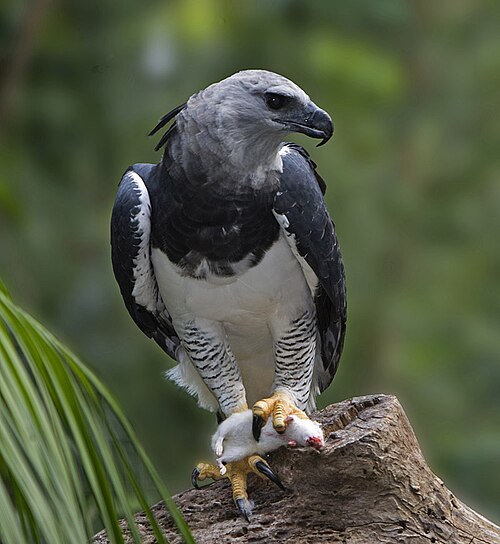
Harpy Eagle
Harpia harpyja

American Swallow-tailed Kite
Elanoides forficatus

Plumbeous Kite
Ictinia plumbea

Savanna Hawk
Buteogallus meridionalis

Crane Hawk
Geranospiza caerulescens

Gray-lined Hawk
Buteo nitidus
📅 Monthly Probability
Fewer than 5 records of Andean Condor at Sierra de la Macarena National Park — not enough to chart months honestly.
☀️ When They're Spotted
Most active during daytime hours (6am–6pm) · across all parks (global)
Global Distribution
Where this species is recorded worldwide. Restricted to human observations from 2019 onwards — the same kind of record and the same period the probabilities on this page are built from, so collar-tracking studies, camera-trap arrays and museum specimens are excluded. Around Santa Rosa that removes 5,924 GPS fixes from a handful of tagged jaguars.
where this species is recorded (GBIF density — it tracks where observers go, not how likely a sighting is) · parks where it occurs — tap a pin for the sighting probability there
Parks Where Found
| # | Park | Country | Probability |
|---|---|---|---|
| 1 | Torres del Paine National Park | 🇨🇱 Chile | |
| 2 | Tierra del Fuego National Park | 🇦🇷 Argentina | |
| 3 | Nahuel Huapi National Park | 🇦🇷 Argentina | |
| 4 | Amboró National Park | 🇧🇴 Bolivia | |
| 5 | Lauca National Park | 🇨🇱 Chile | |
| 6 | Puracé National Natural Park | 🇨🇴 Colombia | |
| 7 | Los Nevados National Natural Park | 🇨🇴 Colombia | |
| 8 | Huascarán National Park | 🇵🇪 Peru | |
| 9 | Vicente Pérez Rosales National Park | 🇨🇱 Chile | |
| 10 | Chingaza National Natural Park | 🇨🇴 Colombia | |
| 11 | Madidi National Park | 🇧🇴 Bolivia | |
| 12 | Manu National Park | 🇵🇪 Peru | |
| 13 | Cajas National Park | 🇪🇨 Ecuador | |
| 14 | Sierra de la Macarena National Park | 🇨🇴 Colombia |