Huascarán National Park
🇵🇪 Peru
🦙 Viscacha and Vicuña High AndesHuascarán is high Andean country — puna grassland, glacial lakes and rock above 4,000 m — and its wildlife is the wildlife of open ground. Mountain viscachas sit on the boulder fields on almost every visit, and vicuñas graze the puna on a quarter of them.
-9.345° S 77.371° W
Wildlife
⭐ Iconic Species
 ★
★ Northern Mountain Viscacha
Lagidium viscacia
 ★
★ Vicuña
Vicugna vicugna
 ★
★ Buff-winged Cinclodes
Cinclodes fuscus
 ★
★ Tit-like Dacnis
Xenodacnis parina
📊 Most Spotted

Rufous-collared Sparrow
Zonotrichia capensis

Chiguanco Thrush
Turdus chiguanco

Southern House Wren
Troglodytes musculus

Peruvian Sierra-Finch
Phrygilus punensis

Hooded Siskin
Spinus magellanicus

Ash-breasted Sierra-Finch
Geospizopsis plebejus

Black Metaltail
Metallura phoebe

Andean Flicker
Colaptes rupicola

Plumbeous Sierra Finch
Geospizopsis unicolor

Giant Hummingbird
Patagona gigas

Rufous-eared Brush-Finch
Atlapetes rufigenis

Plain-colored Seedeater
Catamenia inornata
⭐ Iconic Species
📊 Most Spotted

Andean White-eared Opossum
Didelphis pernigra

Sechuran Fox
Lycalopex sechurae

North Andean Huemul
Hippocamelus antisensis

White-tailed Deer
Odocoileus virginianus

Culpeo
Lycalopex culpaeus
⭐ Iconic Species
📊 Most Spotted
Rufous-collared Sparrow
Zonotrichia capensis
Chiguanco Thrush
Turdus chiguanco
Southern House Wren
Troglodytes musculus
Peruvian Sierra-Finch
Phrygilus punensis
Hooded Siskin
Spinus magellanicus
Ash-breasted Sierra-Finch
Geospizopsis plebejus
Black Metaltail
Metallura phoebe
Andean Flicker
Colaptes rupicola
Plumbeous Sierra Finch
Geospizopsis unicolor
Giant Hummingbird
Patagona gigas
Rufous-eared Brush-Finch
Atlapetes rufigenis
Plain-colored Seedeater
Catamenia inornata
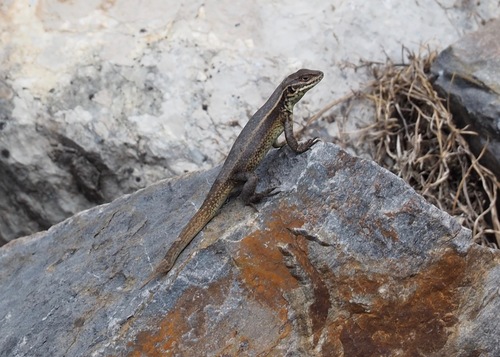


Animal Events
Viscachas on the Boulder Fields
Mountain viscachas sun themselves on the rock slopes and are recorded on nearly every visit.
Vicuñas on the Puna
Vicuña family groups graze the open puna, at their most visible of the year.
Polylepis Birds in the Dry Season
Xenodacnis tanagers work the polylepis stands and bar-winged cinclodes feed along the glacial lakes.
Sighting Calendar
Chance of spotting each species, month by month
Sighting Zones
Warm areas are where all species together are recorded most, so they track where people go as much as where animals are. For one species, see the map on its own page.
Where Wildlife Score
How good is this park for seeing wildlife?Biodiversity
GoodHow rich is the wildlife?
Sighting
GoodHow likely to see animals?
Quick answers
What animals can you see in Huascarán National Park?
The most likely sightings are Rufous-collared Sparrow (seen by 70–80% of wildlife watchers), Chiguanco Thrush (seen by 70–80% of wildlife watchers), Northern Mountain Viscacha (seen by 60–70% of wildlife watchers), Southern House Wren (seen by 60–70% of wildlife watchers), Peruvian Sierra-Finch (seen by 50–60% of wildlife watchers) — among 519 recorded vertebrate species, based on citizen-science data from GBIF.
When is the best time to visit Huascarán National Park for wildlife?
May has the highest combined sighting rate for the park's top species in our month-by-month GBIF data. The full sighting calendar on this page shows each species' best months.
Can you see Northern Mountain Viscacha in Huascarán National Park?
Yes — about 67% of wildlife watchers report a Northern Mountain Viscacha sighting in Huascarán National Park, based on 23 days of visitor records from GBIF citizen-science data.
Can you see Vicuña in Huascarán National Park?
Yes — about 18% of wildlife watchers report a Vicuña sighting in Huascarán National Park, based on 2 days of visitor records from GBIF citizen-science data.
Can you see Buff-winged Cinclodes in Huascarán National Park?
Yes — about 51% of wildlife watchers report a Buff-winged Cinclodes sighting in Huascarán National Park, based on 224 days of visitor records from GBIF citizen-science data.
Can you see Tit-like Dacnis in Huascarán National Park?
Yes — about 47% of wildlife watchers report a Tit-like Dacnis sighting in Huascarán National Park, based on 207 days of visitor records from GBIF citizen-science data.
.jpg?width=1920)


