Nahuel Huapi National Park
🇦🇷 Argentina
🐦 Magellanic Woodpeckers in Lenga ForestNestled in northern Patagonia, Nahuel Huapi National Park protects a rugged temperate forest of ancient beech trees, deep blue glacial lakes, and snowy Andean slopes. Unlike drier steppe reserves nearby, this humid mountainous sanctuary features dense woodlands and rocky shorelines carved by glaciers.
-40.822° S 71.355° W
Wildlife
⭐ Iconic Species
 ★
★ Andean Condor
Vultur gryphus
 ★
★ Magellanic Woodpecker
Campephilus magellanicus
 ★
★ Culpeo
Lycalopex culpaeus
 ★
★ Guanaco
Lama guanicoe
📊 Most Spotted

Austral Thrush
Turdus falcklandii

Southern Lapwing
Vanellus chilensis

Painted Tree Iguana
Liolaemus pictus

Black-chinned Siskin
Spinus barbatus

Rufous-collared Sparrow
Zonotrichia capensis

Thorn-tailed Rayadito
Aphrastura spinicauda

Black-faced Ibis
Theristicus melanopis

Southern House Wren
Troglodytes musculus

Dominican Gull
Larus dominicanus

Dark-bellied Cinclodes
Cinclodes patagonicus

Tufted Tit-Tyrant
Anairetes parulus

Patagonian Sierra-Finch
Phrygilus patagonicus
⭐ Iconic Species
📊 Most Spotted

Elk
Cervus elaphus

Brown Hare
Lepus europaeus

Northern Mountain Viscacha
Lagidium viscacia

Fallow Deer
Dama dama

Southern Monito del Monte
Dromiciops gliroides

Large Hairy Armadillo
Chaetophractus villosus

Pampas Fox
Lycalopex gymnocercus

Cinnamon Red Bat
Lasiurus varius
Chilean climbing mouse
Irenomys tarsalis

Southern River Otter
Lontra provocax
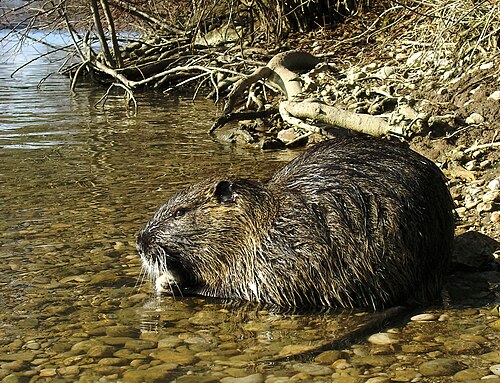
Coypu
Myocastor coypus

Pichi
Zaedyus pichiy
⭐ Iconic Species
📊 Most Spotted
Austral Thrush
Turdus falcklandii
Southern Lapwing
Vanellus chilensis
Black-chinned Siskin
Spinus barbatus
Rufous-collared Sparrow
Zonotrichia capensis
Thorn-tailed Rayadito
Aphrastura spinicauda
Black-faced Ibis
Theristicus melanopis
Southern House Wren
Troglodytes musculus
Dominican Gull
Larus dominicanus
Dark-bellied Cinclodes
Cinclodes patagonicus
Tufted Tit-Tyrant
Anairetes parulus
Patagonian Sierra-Finch
Phrygilus patagonicus

White-crested Elaenia
Elaenia albiceps
📊 Most Spotted
Painted Tree Iguana
Liolaemus pictus
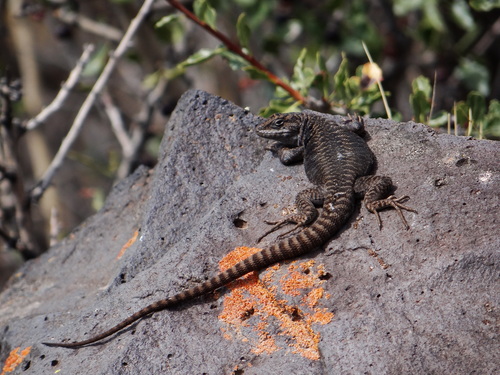
Elongate Smooth-throated Lizard
Liolaemus elongatus

Talcahuano Smooth-throated Lizard
Liolaemus chiliensis

Six-banded Patagonian Lizard
Diplolaemus sexcinctus

Dark Chuckwalla
Phymaturus tenebrosus

Valparaiso Smooth-throated Lizard
Liolaemus lemniscatus
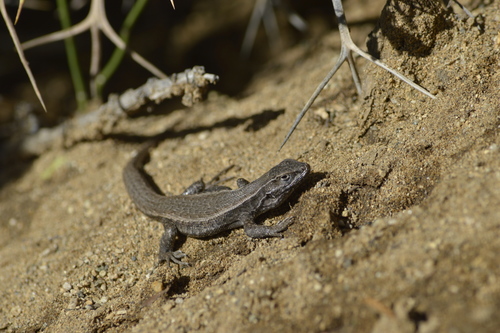
Bibron's Tree Iguana
Liolaemus bibronii
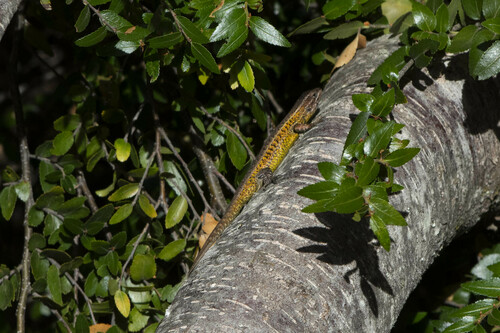
Caautín Smooth-throated Lizard
Liolaemus araucaniensis

Liolaemus petrophilus
Liolaemus petrophilus

Decorated Tree Iguana
Liolaemus lineomaculatus
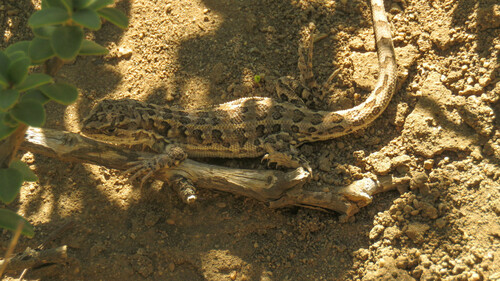
Roth’s Rock lizard
Liolaemus rothi
📊 Most Spotted

Chilean Four-eyed Frog
Pleurodema thaul

Emerald Forest Frog
Hylorina sylvatica

Banded Wood Frog
Batrachyla taeniata

Tonchek Spiny-chest Frog
Alsodes gargola

Marbled Wood Frog
Batrachyla antartandica

Warty Toad
Rhinella spinulosa

Olive Spiny-chest Frog
Alsodes verrucosus
Chiloe Island Ground Frog
Eupsophus calcaratus

Large Four-eyed Frog
Pleurodema bufoninum

Gray Wood Frog
Batrachyla leptopus
Animal Events
Andean Condor Soaring
Condors ride thermals along the park's cliffs and high ridges, with sightings peaking in these months in the observation data
Guanaco Calving Season
Chulengos (guanaco young) are born in late spring and summer and family groups with calves are conspicuous in the steppe sectors
Monito del Monte Activity
The relict Gondwanan marsupial emerges from months of hibernation and is intensely active in bamboo thickets during the austral summer, its documented activity season
Sighting Calendar
Chance of spotting each species, month by month
Sighting Zones
Warm areas are where all species together are recorded most, so they track where people go as much as where animals are. For one species, see the map on its own page.
Where Wildlife Score
How good is this park for seeing wildlife?Biodiversity
GoodHow rich is the wildlife?
Sighting
GoodHow likely to see animals?
Quick answers
What animals can you see in Nahuel Huapi National Park?
The most likely sightings are Austral Thrush (seen by 70–80% of wildlife watchers), Southern Lapwing (seen by 60–70% of wildlife watchers), Painted Tree Iguana (seen by 60–70% of wildlife watchers), Black-chinned Siskin (seen by 50–60% of wildlife watchers), Rufous-collared Sparrow (seen by 50–60% of wildlife watchers) — among 414 recorded vertebrate species, based on citizen-science data from GBIF.
When is the best time to visit Nahuel Huapi National Park for wildlife?
November has the highest combined sighting rate for the park's top species in our month-by-month GBIF data. The full sighting calendar on this page shows each species' best months.
Can you see Andean Condor in Nahuel Huapi National Park?
Yes — about 19% of wildlife watchers report a Andean Condor sighting in Nahuel Huapi National Park, based on 243 days of visitor records from GBIF citizen-science data.
Can you see Magellanic Woodpecker in Nahuel Huapi National Park?
It's possible but not guaranteed: about 11% of wildlife watchers report a Magellanic Woodpecker sighting in Nahuel Huapi National Park, based on 143 days of visitor records from GBIF citizen-science data. Sightings take luck and time in the field.
Can you see Culpeo in Nahuel Huapi National Park?
Yes — about 41% of wildlife watchers report a Culpeo sighting in Nahuel Huapi National Park, based on 66 days of visitor records from GBIF citizen-science data.
Can you see Guanaco in Nahuel Huapi National Park?
Yes — about 28% of wildlife watchers report a Guanaco sighting in Nahuel Huapi National Park, based on 34 days of visitor records from GBIF citizen-science data.
_male_Chiloe.jpg?width=1920)


_male_Vicente_Lopez.jpg?width=1920)