El Palmar National Park
🇦🇷 Argentina
🐹 Capybaras Among the Yatay PalmsEl Palmar protects a stand of yatay palms on the Uruguay river, and the grassland under them is open enough that the animals are simply there to be walked up to. Capybaras graze the low ground on more than nine visits in ten and black-and-white tegus cross the tracks on eight.
-31.900° S 58.256° W
Wildlife
⭐ Iconic Species
 ★
★ Capybara
Hydrochoerus hydrochaeris
 ★
★ Argentine Black-and-white Tegu
Salvator merianae
 ★
★ Plains Viscacha
Lagostomus maximus
 ★
★ Crab-eating Fox
Cerdocyon thous
📊 Most Spotted

Rufous-collared Sparrow
Zonotrichia capensis

Monk Parakeet
Myiopsitta monachus

Eared Dove
Zenaida auriculata

Creamy-bellied Thrush
Turdus amaurochalinus

Plush-crested Jay
Cyanocorax chrysops

Golden-billed Saltator
Saltator aurantiirostris

Sayaca Tanager
Thraupis sayaca

Tropical Parula
Setophaga pitiayumi

Crested Caracara
Caracara plancus

Rufous Hornero
Furnarius rufus

Rufous-bellied Thrush
Turdus rufiventris

Roadside Hawk
Rupornis magnirostris
⭐ Iconic Species
★ Capybara
Hydrochoerus hydrochaeris
★ Plains Viscacha
Lagostomus maximus
★ Crab-eating Fox
Cerdocyon thous
📊 Most Spotted

Pampas Fox
Lycalopex gymnocercus

Six-banded Armadillo
Euphractus sexcinctus

Axis Deer
Axis axis

Nine-banded Armadillo
Dasypus novemcinctus

Lesser Grison
Galictis cuja
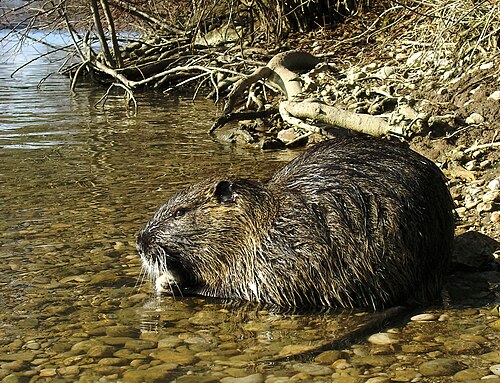
Coypu
Myocastor coypus

Crab-eating Raccoon
Procyon cancrivorus

Vampire Bat
Desmodus rotundus

Lesser Long-nosed Armadillo
Dasypus septemcinctus

Geoffroy's Cat
Leopardus geoffroyi

Neotropical Otter
Lontra longicaudis

Blackbuck
Antilope cervicapra
📊 Most Spotted
Rufous-collared Sparrow
Zonotrichia capensis
Monk Parakeet
Myiopsitta monachus
Eared Dove
Zenaida auriculata
Creamy-bellied Thrush
Turdus amaurochalinus
Plush-crested Jay
Cyanocorax chrysops
Golden-billed Saltator
Saltator aurantiirostris
Sayaca Tanager
Thraupis sayaca
Tropical Parula
Setophaga pitiayumi
Crested Caracara
Caracara plancus
Rufous Hornero
Furnarius rufus
Rufous-bellied Thrush
Turdus rufiventris
Roadside Hawk
Rupornis magnirostris
⭐ Iconic Species
📊 Most Spotted

Black-bellied Slider
Trachemys dorbigni

Broad-snouted Caiman
Caiman latirostris

Urutu Lancehead
Bothrops alternatus

Yellow-bellied Liophis
Erythrolamprus poecilogyrus

Lichtenstein's Green Racer
Philodryas olfersii

False Mussurana
Boiruna maculata

King's Worm Lizard
Amphisbaena kingii

Striped Worm Lizard
Ophiodes striatus

South American Hognose Snake
Xenodon dorbignyi

Ocellated Whiptail Lizard
Teius oculatus

Fronted Ground Snake
Lygophis flavifrenatus

Silver-lined Worm Lizard
Ophiodes intermedius
📊 Most Spotted

Cururu Toad
Rhinella diptycha

Oven Frog
Leptodactylus latinasus

Montevideo Tree Frog
Boana pulchella
Wrestler Frog
Leptodactylus luctator

Lesser Snouted Tree Frog
Scinax nasicus

Two-colored oval frog
Elachistocleis bicolor

Hensel's Swamp Frog
Pseudopaludicola falcipes

Mustached Frog
Leptodactylus mystacinus

Hensel's Dwarf Frog
Physalaemus henselii

Striped Snouted Tree Frog
Scinax squalirostris

Dumeril's Striped Frog
Leptodactylus gracilis

Argentine Snouted Tree Frog
Scinax granulatus
Animal Events
Frog Chorus in the Palm Grassland
Rococo toads and oven frogs breed in the flooded grassland and call through the night.
Tegus and Capybaras in the Warm Months
Black-and-white tegus are active across the open ground and capybara groups graze the low grass.
Foxes and Sliders in
Crab-eating foxes are seen along the tracks and d'Orbigny's sliders bask on the river logs.
Sighting Calendar
Chance of spotting each species, month by month
Sighting Zones
Warm areas are where all species together are recorded most, so they track where people go as much as where animals are. For one species, see the map on its own page.
Where Wildlife Score
How good is this park for seeing wildlife?Biodiversity
Very goodHow rich is the wildlife?
Sighting
ExcellentHow likely to see animals?
Quick answers
What animals can you see in El Palmar National Park?
The most likely sightings are Capybara (seen by 80–90% of wildlife watchers), Rufous-collared Sparrow (seen by 80–90% of wildlife watchers), Monk Parakeet (seen by 80–90% of wildlife watchers), Eared Dove (seen by 70–80% of wildlife watchers), Creamy-bellied Thrush (seen by 70–80% of wildlife watchers) — among 554 recorded vertebrate species, based on citizen-science data from GBIF.
When is the best time to visit El Palmar National Park for wildlife?
February has the highest combined sighting rate for the park's top species in our month-by-month GBIF data. The full sighting calendar on this page shows each species' best months.
Can you see Capybara in El Palmar National Park?
Yes — about 86% of wildlife watchers report a Capybara sighting in El Palmar National Park, based on 171 days of visitor records from GBIF citizen-science data.
Can you see Argentine Black-and-white Tegu in El Palmar National Park?
Yes — about 55% of wildlife watchers report a Argentine Black-and-white Tegu sighting in El Palmar National Park, based on 46 days of visitor records from GBIF citizen-science data.
Can you see Plains Viscacha in El Palmar National Park?
Yes — about 74% of wildlife watchers report a Plains Viscacha sighting in El Palmar National Park, based on 100 days of visitor records from GBIF citizen-science data.
Can you see Crab-eating Fox in El Palmar National Park?
Yes — about 62% of wildlife watchers report a Crab-eating Fox sighting in El Palmar National Park, based on 61 days of visitor records from GBIF citizen-science data.


