


Tsessebe
Damaliscus lunatus
- KingdomAnimalia (Animals)
- PhylumChordata (Cordats)
- ClassMammalia (Mamífers)
- OrderArtiodactyla (Artiodàctils)
- FamilyBovidae (Bòvids)
- GenusDamaliscus (Sassabies)
- SpeciesDamaliscus lunatus (Tsessebe)
Damaliscus lunatus is a large African antelope of the genus Damaliscus and subfamily Alcelaphinae in the family Bovidae, with a number of recognised geographic subspecies. Some authorities have split the different populations of the species into different species, although this is seen as controversial. Common names include topi, sassaby (formerly also sassayby), tiang and tsessebe. Wikipedia →
20–30% of wildlife watchers report a Tsessebe sighting in Chobe National Park, based on 39 days of visitor records from GBIF citizen-science data.
Closest Relatives at Chobe National Park

Greater Kudu
Tragelaphus strepsiceros

Impala
Aepyceros melampus

African Buffalo
Syncerus caffer

Waterbuck
Kobus ellipsiprymnus

Lechwe
Kobus leche

Sable Antelope
Hippotragus niger

Steenbok
Raphicerus campestris

Roan Antelope
Hippotragus equinus

Puku
Kobus vardonii
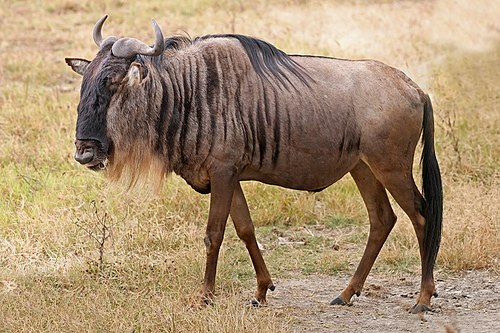
Blue Wildebeest
Connochaetes taurinus

Northern Bushbuck
Tragelaphus scriptus

Common Eland
Taurotragus oryx
📅 Monthly Probability
☀️ When They're Spotted
Most active during daytime hours (6am–6pm) · across all parks (global)
Global Distribution
Where this species is recorded worldwide. Restricted to human observations from 2019 onwards — the same kind of record and the same period the probabilities on this page are built from, so collar-tracking studies, camera-trap arrays and museum specimens are excluded. Around Santa Rosa that removes 5,924 GPS fixes from a handful of tagged jaguars.
where this species is recorded (GBIF density — it tracks where observers go, not how likely a sighting is) · parks where it occurs — tap a pin for the sighting probability there
Parks Where Found
| # | Park | Country | Probability |
|---|---|---|---|
| 1 | Moremi Game Reserve | 🇧🇼 Botswana | |
| 2 | Pilanesberg National Park | 🇿🇦 South Africa | |
| 3 | Chobe National Park | 🇧🇼 Botswana | |
| 4 | Kruger National Park | 🇿🇦 South Africa | |
| 5 | iSimangaliso Wetland Park | 🇿🇦 South Africa | |
| 6 | Serengeti National Park | 🇹🇿 Tanzania | |
| 7 | Hwange National Park | 🇿🇼 Zimbabwe | |
| 8 | Akagera National Park | 🇷🇼 Rwanda | |
| 9 | Queen Elizabeth National Park | 🇺🇬 Uganda | |
| 10 | Masai Mara National Reserve | 🇰🇪 Kenya | |
| 11 | Tsavo East National Park | 🇰🇪 Kenya | |
| 12 | Etosha National Park | 🇳🇦 Namibia | |
| 13 | Virunga National Park | 🇨🇩 Democratic Republic of the Congo |
Quick answers
What are the chances of seeing a Tsessebe in Chobe National Park?
About 23% of wildlife watchers report a Tsessebe sighting in Chobe National Park, based on 39 days of visitor records from GBIF citizen-science data.
When is the best time to see Tsessebe in Chobe National Park?
September has the highest sighting rate for Tsessebe in Chobe National Park in our monthly data.