


Mulga Snake
Pseudechis australis
- KingdomAnimalia (Animals)
- PhylumChordata (Cordats)
- ClassSquamata
- FamilyElapidae (Elapid Snakes)
- GenusPseudechis (Australian Black Snakes)
- SpeciesPseudechis australis (Mulga Snake)
The king brown snake (Pseudechis australis) is a species of highly venomous snake of the family Elapidae, native to northern, western, and Central Australia. The king brown snake is the largest terrestrial venomous snake in Australia. Despite its common name, it is a member of the genus Pseudechis (black snakes) and only distantly related to true brown snakes. Its alternative common name is the mulga snake, although it lives in many habitats apart from mulga. First described by English zoologist John Edward Gray in 1842, it is a robust snake up to 3.3 m (11 ft) long. It is variable in appearance, with individuals from northern Australia having tan upper parts, while those from southern Australia are dark brown to blackish. Wikipedia →
20–30% of wildlife watchers report a Mulga Snake sighting in Uluru-Kata Tjuta National Park, based on 12 days of visitor records from GBIF citizen-science data.
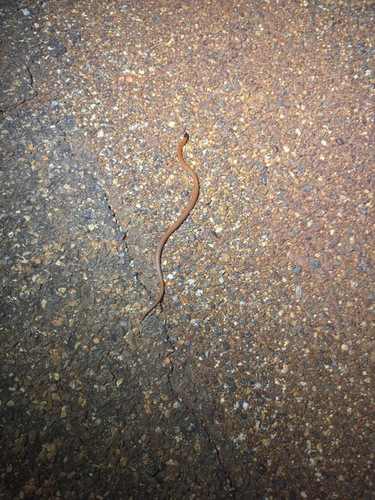
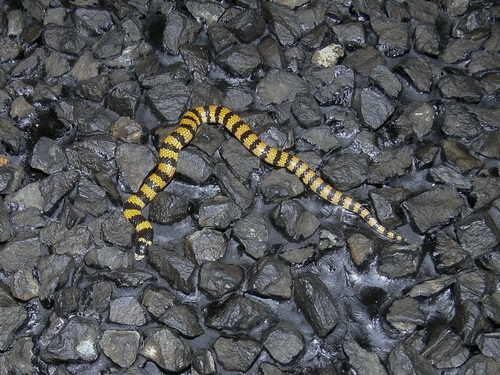
Closest Relatives at Uluru-Kata Tjuta National Park




📅 Monthly Probability
☀️🌙 When They're Spotted
Active throughout day and night · across all parks (global)
Global Distribution
Where this species is recorded worldwide. Restricted to human observations from 2019 onwards — the same kind of record and the same period the probabilities on this page are built from, so collar-tracking studies, camera-trap arrays and museum specimens are excluded. Around Santa Rosa that removes 5,924 GPS fixes from a handful of tagged jaguars.
where this species is recorded (GBIF density — it tracks where observers go, not how likely a sighting is) · parks where it occurs — tap a pin for the sighting probability there
Parks Where Found
| # | Park | Country | Probability |
|---|---|---|---|
| 1 | Ningaloo Marine Park | 🇦🇺 Australia | |
| 2 | Kakadu National Park | 🇦🇺 Australia | |
| 3 | Uluru-Kata Tjuta National Park | 🇦🇺 Australia | |
| 4 | Flinders Ranges National Park | 🇦🇺 Australia |
Quick answers
What are the chances of seeing a Mulga Snake in Uluru-Kata Tjuta National Park?
About 21% of wildlife watchers report a Mulga Snake sighting in Uluru-Kata Tjuta National Park, based on 12 days of visitor records from GBIF citizen-science data.
When is the best time to see Mulga Snake in Uluru-Kata Tjuta National Park?
November has the highest sighting rate for Mulga Snake in Uluru-Kata Tjuta National Park in our monthly data.