


Great Black-backed Gull
Larus marinus
- KingdomAnimalia (Animals)
- PhylumChordata (Cordats)
- ClassAves (Aus)
- OrderCharadriiformes (Caradriformes)
- FamilyLaridae (Gulls, Terns, and Skimmers)
- GenusLarus (Large White-headed Gulls)
- SpeciesLarus marinus (Great Black-backed Gull)
The great black-backed gull (Larus marinus) is the largest member of the gull and tern family Laridae. It is a very aggressive hunter, pirate and scavenger which breeds on the North Atlantic coasts and islands of northern Europe and northeastern North America. Southern populations are generally sedentary, while those breeding in the far north (northern Norway, northwest Russia) migrate farther south in winter. A few also move inland to large lakes and reservoirs. The adult has a white head, neck and underparts, dark blackish-grey wings and back, pink legs and the bill yellow with a red spot. Wikipedia →
20–30% of wildlife watchers report a Great Black-backed Gull sighting in Point Pelee National Park, based on 2,804 days of visitor records from GBIF citizen-science data.
Closest Relatives at Point Pelee National Park

Ring-billed Gull
Larus delawarensis

American Herring Gull
Larus smithsonianus

Lesser Black-backed Gull
Larus fuscus

Iceland Gull
Larus glaucoides

Glaucous Gull
Larus hyperboreus

California Gull
Larus californicus

Bonaparte's Gull
Chroicocephalus philadelphia

Common Tern
Sterna hirundo

Black Tern
Chlidonias niger

Caspian Tern
Hydroprogne caspia

Forster's Tern
Sterna forsteri
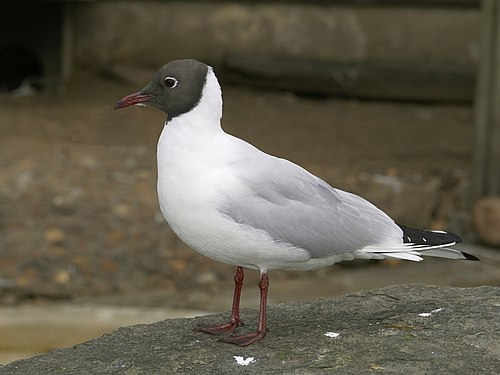
Black-headed Gull
Chroicocephalus ridibundus
📅 Monthly Probability
☀️ When They're Spotted
Most active during daytime hours (6am–6pm) · across all parks (global)
Global Distribution
Where this species is recorded worldwide. Restricted to human observations from 2019 onwards — the same kind of record and the same period the probabilities on this page are built from, so collar-tracking studies, camera-trap arrays and museum specimens are excluded. Around Santa Rosa that removes 5,924 GPS fixes from a handful of tagged jaguars.
where this species is recorded (GBIF density — it tracks where observers go, not how likely a sighting is) · parks where it occurs — tap a pin for the sighting probability there
Parks Where Found
| # | Park | Country | Probability |
|---|---|---|---|
| 1 | Cape Breton Highlands National Park | 🇨🇦 Canada | |
| 2 | Gros Morne National Park | 🇨🇦 Canada | |
| 3 | Vatnajokull National Park | 🇮🇸 Iceland | |
| 4 | Acadia National Park | 🇺🇸 United States | |
| 5 | Wadden Sea National Park | 🇩🇪 Germany | |
| 6 | Snowdonia National Park | 🇬🇧 United Kingdom | |
| 7 | Point Pelee National Park | 🇨🇦 Canada | |
| 8 | Thingvellir National Park | 🇮🇸 Iceland | |
| 9 | Cairngorms National Park | 🇬🇧 United Kingdom | |
| 10 | Everglades National Park | 🇺🇸 United States | |
| 11 | Doñana National Park | 🇪🇸 Spain | |
| 12 | Fertő-Hanság National Park | 🇭🇺 Hungary |
Quick answers
What are the chances of seeing a Great Black-backed Gull in Point Pelee National Park?
About 21% of wildlife watchers report a Great Black-backed Gull sighting in Point Pelee National Park, based on 2,804 days of visitor records from GBIF citizen-science data.
When is the best time to see Great Black-backed Gull in Point Pelee National Park?
December has the highest sighting rate for Great Black-backed Gull in Point Pelee National Park in our monthly data.