


Shingleback
Tiliqua rugosa
- KingdomAnimalia (Animals)
- PhylumChordata (Cordats)
- ClassSquamata
- FamilyScincidae (Escíncid)
- GenusTiliqua (Bluetongues)
- SpeciesTiliqua rugosa (Shingleback)
Tiliqua rugosa, most commonly known as the shingleback skink, shingleback lizard, bobtail lizard, and the two-headed skink (often simply shingleback or bobtail); is a short-tailed, slow-moving species of blue-tongued skink (genus Tiliqua) endemic to Australia. Three of its four recognised subspecies are found in Western Australia, where the bobtail name is most frequently used. The fourth subspecies, T. rugosa asper, is the only one native to eastern Australia, where it goes by the common name of the eastern shingleback. Apart from bobtail and shingleback, a variety of other common names are used in different states, including two-headed skink, stumpy lizard, stumpy-tailed lizard, pinecone lizard, bogeye or boggi, and less commonly: sleepy lizard. The Noongar Aboriginal people refer to T. rugosa as yoorn in their language. T. rugosa has a short, wide, stumpy tail that resembles its head and may serve the purpose of confusing predators. Wikipedia →
Closest Relatives at Ningaloo Marine Park

Centralian Bluetongue
Tiliqua multifasciata

Western Bluetongue
Tiliqua occipitalis

Plain Ctenotus
Ctenotus inornatus

Lined Firetail Skink
Morethia ruficauda
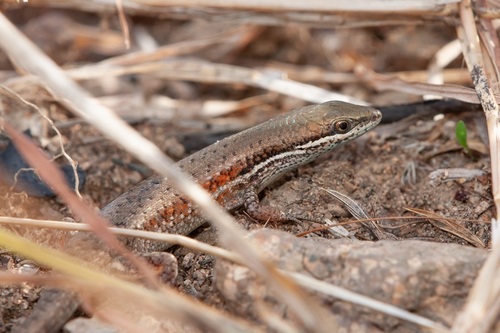
Shaded-litter Rainbow Skink
Carlia munda

Leopard Ctenotus
Ctenotus pantherinus

Callose-palmed Shining-skink
Cryptoblepharus plagiocephalus
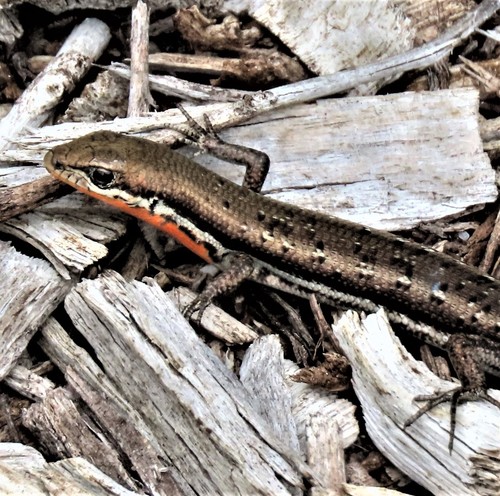
West Coast Morethia Skink
Morethia lineoocellata

Northwestern Sandslider
Lerista bipes
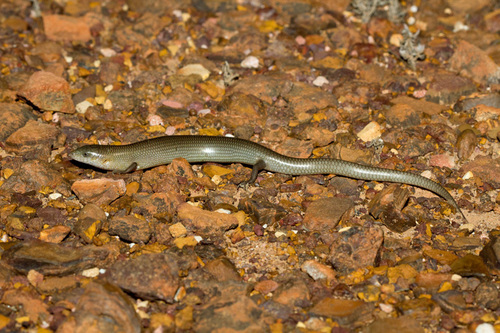
Samphire Slender Bluetongue
Cyclodomorphus melanops
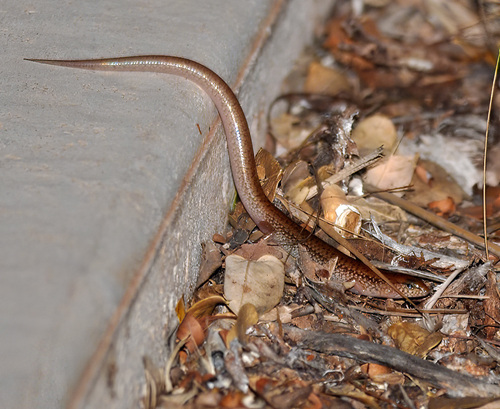
Northern Bar-lipped Skink
Eremiascincus isolepis
Western Narrow-banded Sand-swimmer
Eremiascincus pallidus
📅 Monthly Probability
Fewer than 5 records of Shingleback at Ningaloo Marine Park — not enough to chart months honestly.
☀️ When They're Spotted
Most active during daytime hours (6am–6pm) · across all parks (global)
Global Distribution
Where this species is recorded worldwide. Restricted to human observations from 2019 onwards — the same kind of record and the same period the probabilities on this page are built from, so collar-tracking studies, camera-trap arrays and museum specimens are excluded. Around Santa Rosa that removes 5,924 GPS fixes from a handful of tagged jaguars.
where this species is recorded (GBIF density — it tracks where observers go, not how likely a sighting is) · parks where it occurs — tap a pin for the sighting probability there
Parks Where Found
| # | Park | Country | Probability |
|---|---|---|---|
| 1 | Grampians National Park | 🇦🇺 Australia | |
| 2 | Flinders Ranges National Park | 🇦🇺 Australia | |
| 3 | Ningaloo Marine Park | 🇦🇺 Australia | |
| 4 | Blue Mountains National Park | 🇦🇺 Australia |