Grampians National Park
🇦🇺 Australia
🦘 Shinglebacks and Kangaroos at Halls GapGrampians National Park is a rugged expanse of dramatic sandstone ranges and temperate forest located in western Victoria, Australia. Unlike the flat plains nearby, this protected area features ancient, tilted mountain ridges carved by water, creating deep valleys and sheltered gorges that support distinct pockets of native bushland.
-37.172° S 142.343° E
Wildlife
⭐ Iconic Species
 ★
★ Shingleback
Tiliqua rugosa
 ★
★ Eastern Grey Kangaroo
Macropus giganteus
 ★
★ Gang-gang Cockatoo
Callocephalon fimbriatum
📊 Most Spotted

Crimson Rosella
Platycercus elegans

Superb Fairywren
Malurus cyaneus

Australian Magpie
Gymnorhina tibicen

Red Wattlebird
Anthochaera carunculata

Sulphur-crested Cockatoo
Cacatua galerita

Swamp Wallaby
Wallabia bicolor

Laughing Kookaburra
Dacelo novaeguineae

Cool-temperate Water Skink
Eulamprus tympanum

Jacky Lashtail
Amphibolurus muricatus

Grey Fantail
Rhipidura albiscapa

White-browed Scrubwren
Sericornis frontalis
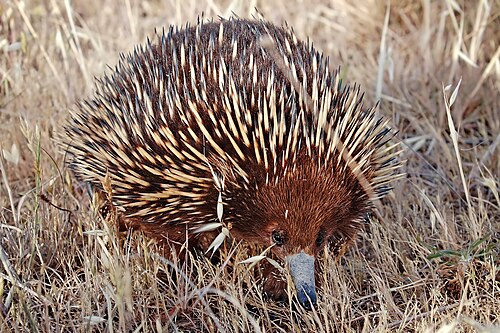
Short-beaked Echidna
Tachyglossus aculeatus
⭐ Iconic Species
📊 Most Spotted
Swamp Wallaby
Wallabia bicolor
Short-beaked Echidna
Tachyglossus aculeatus

Red-necked Wallaby
Notamacropus rufogriseus

Elk
Cervus elaphus

Western Grey Kangaroo
Macropus fuliginosus

Common Ringtail Possum
Pseudocheirus peregrinus

Common Brushtail
Trichosurus vulpecula

Inland Sugar Glider
Petaurus notatus

Red Fox
Vulpes vulpes

Yellow-footed Antechinus
Antechinus flavipes

Fallow Deer
Dama dama

Australian Swamp Rat
Rattus lutreolus
⭐ Iconic Species
📊 Most Spotted
Crimson Rosella
Platycercus elegans
Superb Fairywren
Malurus cyaneus
Australian Magpie
Gymnorhina tibicen
Red Wattlebird
Anthochaera carunculata
Sulphur-crested Cockatoo
Cacatua galerita
Laughing Kookaburra
Dacelo novaeguineae
Grey Fantail
Rhipidura albiscapa
White-browed Scrubwren
Sericornis frontalis

New Holland Honeyeater
Phylidonyris novaehollandiae

Long-billed Corella
Cacatua tenuirostris

Pied Currawong
Strepera graculina

Brown Thornbill
Acanthiza pusilla
⭐ Iconic Species
📊 Most Spotted
Cool-temperate Water Skink
Eulamprus tympanum
Jacky Lashtail
Amphibolurus muricatus

Black Crevice-skink
Egernia saxatilis

Pale-flecked Garden Sunskink
Lampropholis guichenoti

White's Rock-skink
Liopholis whitii

Red-bellied Black Snake
Pseudechis porphyriacus

Marbled Gecko
Christinus marmoratus

Southeastern Slider
Lerista bougainvillii

Lace Monitor
Varanus varius

Mountain Dragon
Rankinia diemensis

Bearded Dragon
Pogona barbata

Eastern Brown Snake
Pseudonaja textilis
📊 Most Spotted

Pobblebonk
Limnodynastes dumerilii

Common Eastern Froglet
Crinia signifera

Spotted Grass Frog
Limnodynastes tasmaniensis

Southern Bell Frog
Ranoidea raniformis

Painted Burrowing Frog
Neobatrachus pictus

Common Spadefoot Toad
Neobatrachus sudelli

Striped Marsh Frog
Limnodynastes peronii

Brown Toadlet
Pseudophryne bibronii

Eastern Sign-bearing Froglet
Crinia parinsignifera

Southern Smooth Froglet
Geocrinia laevis

Peron's Tree Frog
Litoria peronii
Animal Events
Shingleback Lizard Mating Season
Shinglebacks emerge from brumation and form long-term monogamous pairs, often seen basking together on rocks or engaging in slow-motion courtship displays.
Gang-gang Cockatoo Breeding Display
Males perform dramatic aerial displays and loud calls to attract females, often seen in eucalypt woodlands near Halls Gap and Zumsteins.
Eastern Grey Kangaroo Grazing at Dusk
Large mobs of Eastern Grey Kangaroos gather in open grassy areas and rocky clearings, becoming highly active during twilight hours to graze and socialize.
Sighting Calendar
Chance of spotting each species, month by month
Sighting Zones
Warm areas are where all species together are recorded most, so they track where people go as much as where animals are. For one species, see the map on its own page.
Where Wildlife Score
How good is this park for seeing wildlife?Biodiversity
Very goodHow rich is the wildlife?
Sighting
Very goodHow likely to see animals?
Quick answers
What animals can you see in Grampians National Park?
The most likely sightings are Crimson Rosella (seen by 80–90% of wildlife watchers), Superb Fairywren (seen by 70–80% of wildlife watchers), Eastern Grey Kangaroo (seen by 70–80% of wildlife watchers), Australian Magpie (seen by 70–80% of wildlife watchers), Red Wattlebird (seen by 70–80% of wildlife watchers) — among 553 recorded vertebrate species, based on citizen-science data from GBIF.
When is the best time to visit Grampians National Park for wildlife?
November has the highest combined sighting rate for the park's top species in our month-by-month GBIF data. The full sighting calendar on this page shows each species' best months.
Can you see Shingleback in Grampians National Park?
Yes — about 70% of wildlife watchers report a Shingleback sighting in Grampians National Park, based on 252 days of visitor records from GBIF citizen-science data.
Can you see Eastern Grey Kangaroo in Grampians National Park?
Yes — about 75% of wildlife watchers report a Eastern Grey Kangaroo sighting in Grampians National Park, based on 311 days of visitor records from GBIF citizen-science data.
Can you see Gang-gang Cockatoo in Grampians National Park?
Yes — about 30% of wildlife watchers report a Gang-gang Cockatoo sighting in Grampians National Park, based on 206 days of visitor records from GBIF citizen-science data.
Explore Other Parks
 📍 200 km 🐨 Koalas Doze in Roadside Manna Gums
 Great Otway National Park
 📍 405 km 🐨 Wombat Roaming Wilsons Promontory
 Wilsons Promontory National Park
.jpg?width=1920) 📍 544 km 🦜 Crimson Rosella Chorus Over Alpine Trails
📍 544 km 🦜 Crimson Rosella Chorus Over Alpine Trails Kosciuszko National Park
 📍 609 km 🐨 Wombat Wanderings at Cradle Mountain