


Shingleback
Tiliqua rugosa
- KingdomAnimalia (Animals)
- PhylumChordata (Cordats)
- ClassSquamata
- FamilyScincidae (Escíncid)
- GenusTiliqua (Bluetongues)
- SpeciesTiliqua rugosa (Shingleback)
Tiliqua rugosa, most commonly known as the shingleback skink, shingleback lizard, bobtail lizard, and the two-headed skink (often simply shingleback or bobtail); is a short-tailed, slow-moving species of blue-tongued skink (genus Tiliqua) endemic to Australia. Three of its four recognised subspecies are found in Western Australia, where the bobtail name is most frequently used. The fourth subspecies, T. rugosa asper, is the only one native to eastern Australia, where it goes by the common name of the eastern shingleback. Apart from bobtail and shingleback, a variety of other common names are used in different states, including two-headed skink, stumpy lizard, stumpy-tailed lizard, pinecone lizard, bogeye or boggi, and less commonly: sleepy lizard. The Noongar Aboriginal people refer to T. rugosa as yoorn in their language. T. rugosa has a short, wide, stumpy tail that resembles its head and may serve the purpose of confusing predators. Wikipedia →
70–80% of wildlife watchers report a Shingleback sighting in Grampians National Park, based on 252 days of visitor records from GBIF citizen-science data.
Closest Relatives at Grampians National Park

Blotched Bluetongue
Tiliqua nigrolutea

Common Bluetongue
Tiliqua scincoides

Cool-temperate Water Skink
Eulamprus tympanum

Black Crevice-skink
Egernia saxatilis

Pale-flecked Garden Sunskink
Lampropholis guichenoti

White's Rock-skink
Liopholis whitii

Southeastern Slider
Lerista bougainvillii

Ragged Snake-eyed Skink
Cryptoblepharus pannosus

Eastern Striped Skink
Ctenotus robustus
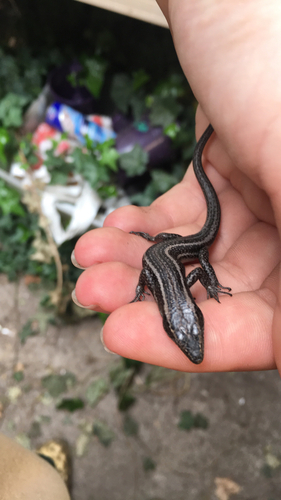
Trunk-climbing Cool-skink
Pseudemoia spenceri

Entrecasteaux's Skink
Pseudemoia entrecasteauxii
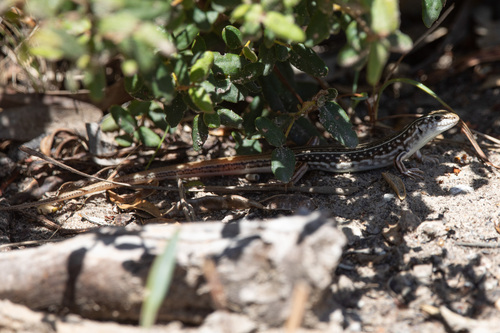
Oriental Ctenotus
Ctenotus orientalis
📅 Monthly Probability
☀️ When They're Spotted
Most active during daytime hours (6am–6pm) · across all parks (global)
Global Distribution
Where this species is recorded worldwide. Restricted to human observations from 2019 onwards — the same kind of record and the same period the probabilities on this page are built from, so collar-tracking studies, camera-trap arrays and museum specimens are excluded. Around Santa Rosa that removes 5,924 GPS fixes from a handful of tagged jaguars.
where this species is recorded (GBIF density — it tracks where observers go, not how likely a sighting is) · parks where it occurs — tap a pin for the sighting probability there
Parks Where Found
| # | Park | Country | Probability |
|---|---|---|---|
| 1 | Grampians National Park | 🇦🇺 Australia | |
| 2 | Flinders Ranges National Park | 🇦🇺 Australia | |
| 3 | Ningaloo Marine Park | 🇦🇺 Australia | |
| 4 | Blue Mountains National Park | 🇦🇺 Australia |
Quick answers
What are the chances of seeing a Shingleback in Grampians National Park?
About 70% of wildlife watchers report a Shingleback sighting in Grampians National Park, based on 252 days of visitor records from GBIF citizen-science data.
When is the best time to see Shingleback in Grampians National Park?
October has the highest sighting rate for Shingleback in Grampians National Park in our monthly data.