Fiordland National Park
🇳🇿 New Zealand
🦜 Kea Calls Above the FiordsFiordland National Park sits on the southwestern corner of New Zealand’s South Island, a maze of deep fjords, steep‑sided valleys and ancient temperate rainforest. Towering podocarp trees line moss‑covered tracks that wind past waterfalls and the rugged coastline.
-45.674° S 167.309° E
Wildlife
⭐ Iconic Species
 ★
★ Kea
Nestor notabilis
 ★
★ Long-nosed Fur Seal
Arctocephalus forsteri
 ★
★ Bottlenose Dolphin
Tursiops truncatus
 ★
★ New Zealand Kaka
Nestor meridionalis
📊 Most Spotted

Chaffinch
Fringilla coelebs

Dominican Gull
Larus dominicanus

New Zealand Fantail
Rhipidura fuliginosa

New Zealand Bellbird
Anthornis melanura

Eurasian Blackbird
Turdus merula

Paradise Shelduck
Tadorna variegata

Tūī
Prosthemadera novaeseelandiae

Grey Warbler
Gerygone igata

Welcome Swallow
Hirundo neoxena

Miromiro
Petroica macrocephala

New Zealand Scaup
Aythya novaeseelandiae

Silvereye
Zosterops lateralis
⭐ Iconic Species
📊 Most Spotted

Common Brushtail
Trichosurus vulpecula

Elk
Cervus elaphus

Hector's Dolphin
Cephalorhynchus hectori

Common Hedgehog
Erinaceus europaeus

Stoat
Mustela erminea

Brown Hare
Lepus europaeus

New Zealand Lesser Short-tailed Bat
Mystacina tuberculata
Long-tailed Wattled Bat
Chalinolobus tuberculatus
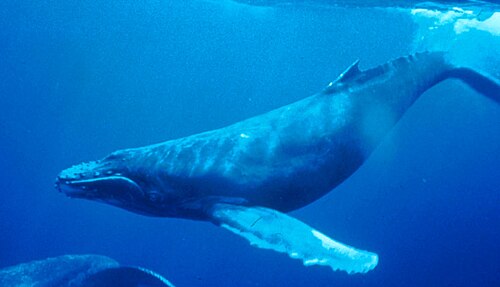
Humpback Whale
Megaptera novaeangliae

Northern Chamois
Rupicapra rupicapra

New Zealand Sea Lion
Phocarctos hookeri

Least Weasel
Mustela nivalis
⭐ Iconic Species
📊 Most Spotted
Chaffinch
Fringilla coelebs
Dominican Gull
Larus dominicanus
New Zealand Fantail
Rhipidura fuliginosa
New Zealand Bellbird
Anthornis melanura
Eurasian Blackbird
Turdus merula
Paradise Shelduck
Tadorna variegata
Tūī
Prosthemadera novaeseelandiae
Grey Warbler
Gerygone igata
Welcome Swallow
Hirundo neoxena
Miromiro
Petroica macrocephala
New Zealand Scaup
Aythya novaeseelandiae
Silvereye
Zosterops lateralis
📊 Most Spotted

Cryptic Skink
Oligosoma inconspicuum

Eyres skink
Oligosoma repens

McCann’s Skink
Oligosoma maccanni

Common New Zealand Skink
Oligosoma polychroma

Green Skink
Oligosoma chloronoton

Barrier skink
Oligosoma judgei

Awakopaka Skink
Oligosoma awakopaka

Pacific Ridley
Lepidochelys olivacea

Takitimu Gecko
Mokopirirakau cryptozoicus

Spotted House Gecko
Hemidactylus brookii

Sinbad skink
Oligosoma pikitanga

Animal Events
Alpine Breeding and Foraging Season
Warmer late-spring and early-summer conditions bring alpine wildlife into peak activity across the high-altitude passes.
Coastal Marine Mammal Gathering
Cooler winter and transitional spring months see increased marine mammal sightings along the sheltered fiord waters and rocky outcrops.
Forest Bird Song Peak
Mid-summer provides abundant forest resources, triggering peak feeding and vocal activity among native bush birds.
Sighting Calendar
Chance of spotting each species, month by month
Sighting Zones
Warm areas are where all species together are recorded most, so they track where people go as much as where animals are. For one species, see the map on its own page.
Where Wildlife Score
How good is this park for seeing wildlife?Biodiversity
GoodHow rich is the wildlife?
Sighting
GoodHow likely to see animals?
Quick answers
What animals can you see in Fiordland National Park?
The most likely sightings are Chaffinch (seen by 60–70% of wildlife watchers), Dominican Gull (seen by 60–70% of wildlife watchers), New Zealand Fantail (seen by 60–70% of wildlife watchers), New Zealand Bellbird (seen by 50–60% of wildlife watchers), Eurasian Blackbird (seen by 50–60% of wildlife watchers) — among 319 recorded vertebrate species, based on citizen-science data from GBIF.
When is the best time to visit Fiordland National Park for wildlife?
November has the highest combined sighting rate for the park's top species in our month-by-month GBIF data. The full sighting calendar on this page shows each species' best months.
Can you see Kea in Fiordland National Park?
Yes — about 32% of wildlife watchers report a Kea sighting in Fiordland National Park, based on 554 days of visitor records from GBIF citizen-science data.
Can you see Long-nosed Fur Seal in Fiordland National Park?
Yes — about 53% of wildlife watchers report a Long-nosed Fur Seal sighting in Fiordland National Park, based on 294 days of visitor records from GBIF citizen-science data.
Can you see Bottlenose Dolphin in Fiordland National Park?
Yes — about 33% of wildlife watchers report a Bottlenose Dolphin sighting in Fiordland National Park, based on 117 days of visitor records from GBIF citizen-science data.
Can you see New Zealand Kaka in Fiordland National Park?
Yes — about 24% of wildlife watchers report a New Zealand Kaka sighting in Fiordland National Park, based on 419 days of visitor records from GBIF citizen-science data.


%E2%80%93Kelp_gull_(Larus_dominicanus).jpg?width=1920)