Abel Tasman National Park
🇳🇿 New Zealand
🦭 Fur Seals Basking on Golden SandAbel Tasman National Park sits at the northern tip of New Zealand’s South Island, protecting a coastal temperate forest of beech and regenerating scrub bordered by golden sand beaches and granite cliffs. Unlike the alpine terrain found in other southern reserves, this protected strip features sheltered tidal estuaries and calm coastal waters that merge directly with dense coastal greenery.
-40.909° S 172.974° E
Wildlife
⭐ Iconic Species
 ★
★ VOC
Haematopus unicolor
 ★
★ Long-nosed Fur Seal
Arctocephalus forsteri
 ★
★ White-headed Stilt
Himantopus leucocephalus
📊 Most Spotted

Dominican Gull
Larus dominicanus

Tūī
Prosthemadera novaeseelandiae

New Zealand Fantail
Rhipidura fuliginosa

Weka
Gallirallus australis

Silvereye
Zosterops lateralis

Welcome Swallow
Hirundo neoxena

Silver Gull
Chroicocephalus novaehollandiae

South-west Pacific Swamphen
Porphyrio melanotus

Eurasian Blackbird
Turdus merula

New Zealand Bellbird
Anthornis melanura

Chaffinch
Fringilla coelebs

White-faced Heron
Egretta novaehollandiae
⭐ Iconic Species
📊 Most Spotted

Common Brushtail
Trichosurus vulpecula

Bottlenose Dolphin
Tursiops truncatus

Common Hedgehog
Erinaceus europaeus

Brown Hare
Lepus europaeus

Stoat
Mustela erminea

Leopard Seal
Hydrurga leptonyx
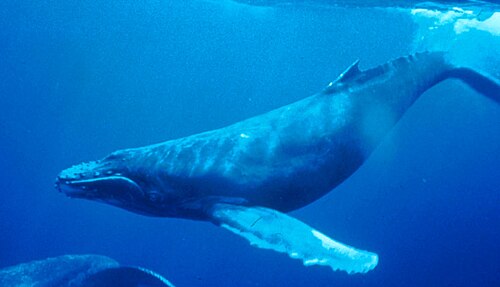
Humpback Whale
Megaptera novaeangliae

Long-finned Pilot Whale
Globicephala melas

Southern Elephant Seal
Mirounga leonina

Hector's Dolphin
Cephalorhynchus hectori
⭐ Iconic Species
📊 Most Spotted
Dominican Gull
Larus dominicanus
Tūī
Prosthemadera novaeseelandiae
New Zealand Fantail
Rhipidura fuliginosa
Weka
Gallirallus australis
Silvereye
Zosterops lateralis
Welcome Swallow
Hirundo neoxena
Silver Gull
Chroicocephalus novaehollandiae
South-west Pacific Swamphen
Porphyrio melanotus
Eurasian Blackbird
Turdus merula
New Zealand Bellbird
Anthornis melanura
Chaffinch
Fringilla coelebs
White-faced Heron
Egretta novaehollandiae


Animal Events
Seal Pupping Season
Long-nosed fur seals give birth and nurse pups on rocky outcrops, especially around Separation Point.
Tūī Dawn Chorus
The melodic calls of the Tūī fill the forest canopy at dawn during spring breeding season.
Seabird Migration Peaks
Large flocks of migratory seabirds, including terns and gulls, pass through the park’s coastal waters.

Sighting Calendar
Chance of spotting each species, month by month
Sighting Zones
Warm areas are where all species together are recorded most, so they track where people go as much as where animals are. For one species, see the map on its own page.
Where Wildlife Score
How good is this park for seeing wildlife?Biodiversity
GoodHow rich is the wildlife?
Sighting
GoodHow likely to see animals?
Quick answers
What animals can you see in Abel Tasman National Park?
The most likely sightings are Dominican Gull (seen by 70–80% of wildlife watchers), VOC (seen by 60–70% of wildlife watchers), Tūī (seen by 60–70% of wildlife watchers), New Zealand Fantail (seen by 60–70% of wildlife watchers), Weka (seen by 60–70% of wildlife watchers) — among 266 recorded vertebrate species, based on citizen-science data from GBIF.
When is the best time to visit Abel Tasman National Park for wildlife?
February has the highest combined sighting rate for the park's top species in our month-by-month GBIF data. The full sighting calendar on this page shows each species' best months.
Can you see VOC in Abel Tasman National Park?
Yes — about 64% of wildlife watchers report a VOC sighting in Abel Tasman National Park, based on 311 days of visitor records from GBIF citizen-science data.
Can you see Long-nosed Fur Seal in Abel Tasman National Park?
Yes — about 41% of wildlife watchers report a Long-nosed Fur Seal sighting in Abel Tasman National Park, based on 62 days of visitor records from GBIF citizen-science data.
Can you see White-headed Stilt in Abel Tasman National Park?
Yes — about 22% of wildlife watchers report a White-headed Stilt sighting in Abel Tasman National Park, based on 105 days of visitor records from GBIF citizen-science data.


