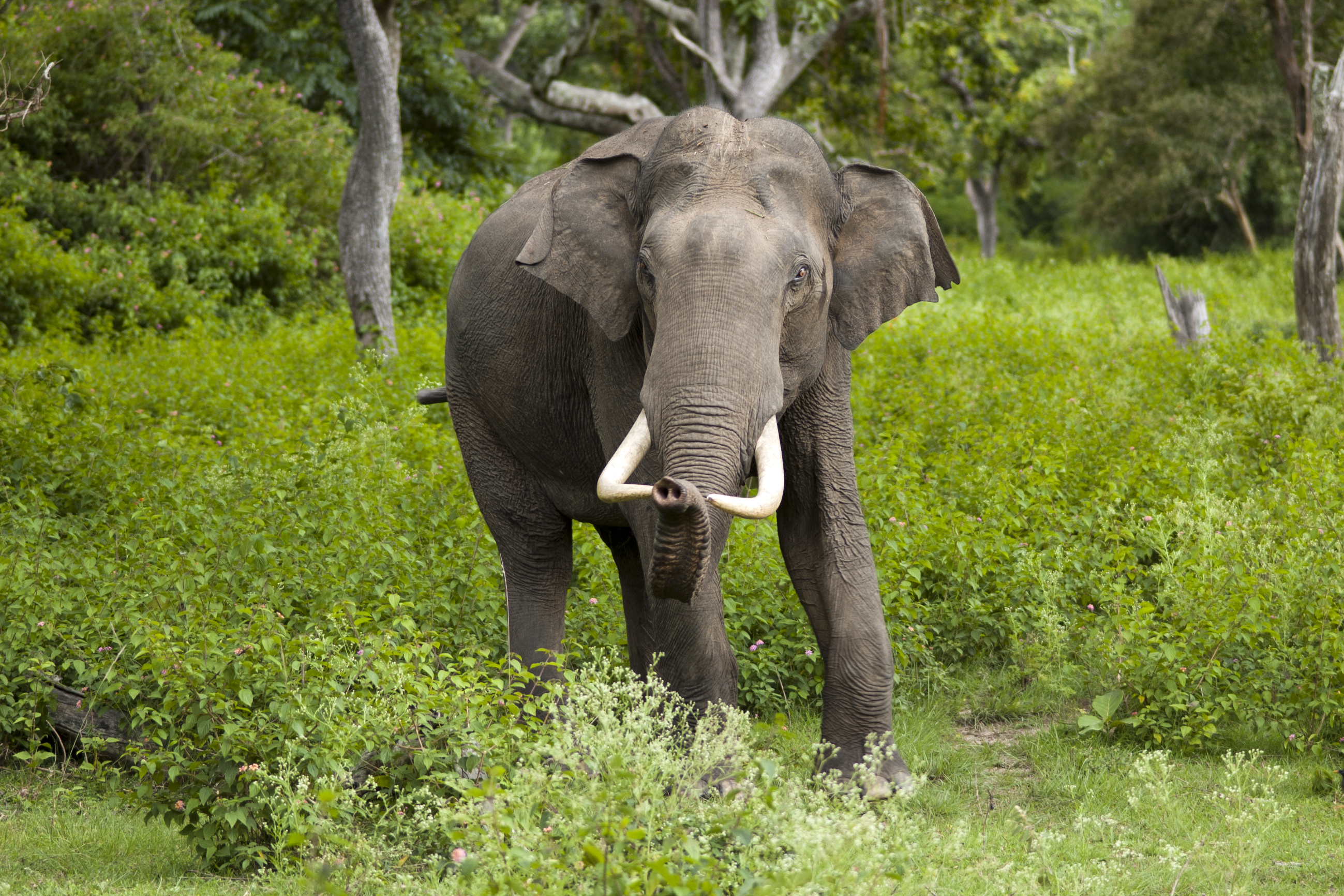
Eravikulam National Park
🇮🇳 India
🐐 Nilgiri Tahr Mountain Roaming KingdomEravikulam National Park is a high-altitude mountain sanctuary in the Western Ghats of Kerala, featuring rolling tropical rainforests, steep grasslands, and mist-laden slopes. Visitors hike along grassy ridge trails cutting through dense shola thickets and rocky terrain.
10.234° N 77.120° E
Wildlife
⭐ Iconic Species
 ★
★ Resplendent Shrubfrog
Raorchestes resplendens
 ★
★ Nilgiri Tahr
Hemitragus hylocrius
 ★
★ Beddome's Bush Frog
Raorchestes beddomii
 ★
★ False Malabar Gliding Frog
Rhacophorus pseudomalabaricus
📊 Most Spotted

Red-whiskered Bulbul
Pycnonotus jocosus

White-cheeked Barbet
Psilopogon viridis

Pearl-necked Dove
Spilopelia chinensis

Indian White-eye
Zosterops palpebrosus

Indian Scimitar-Babbler
Pomatorhinus horsfieldii

Jungle Myna
Acridotheres fuscus

Greenish Warbler
Phylloscopus trochiloides

Nilgiri Flowerpecker
Dicaeum concolor

Vernal Hanging Parrot
Loriculus vernalis

Oriental Magpie-Robin
Copsychus saularis

Nilgiri Flycatcher
Eumyias albicaudatus

Grey Junglefowl
Gallus sonneratii
⭐ Iconic Species
📊 Most Spotted

Black Leaf Monkey
Semnopithecus johnii

Indian Muntjac
Muntiacus muntjak

Bonnet Macaque
Macaca radiata

Indian Giant Squirrel
Ratufa indica

Gaur
Bos frontalis

Asian Elephant
Elephas maximus

Lion-tailed Macaque
Macaca silenus

Tufted Langur
Semnopithecus priam

Nilgiri Palm Squirrel
Funambulus sublineatus

Stripe-necked Mongoose
Herpestes vitticollis

Jungle Palm Squirrel
Funambulus tristriatus

Indian Bush-rat
Golunda ellioti
📊 Most Spotted
Red-whiskered Bulbul
Pycnonotus jocosus
White-cheeked Barbet
Psilopogon viridis
Pearl-necked Dove
Spilopelia chinensis
Indian White-eye
Zosterops palpebrosus
Indian Scimitar-Babbler
Pomatorhinus horsfieldii
Jungle Myna
Acridotheres fuscus
Greenish Warbler
Phylloscopus trochiloides
Nilgiri Flowerpecker
Dicaeum concolor
Vernal Hanging Parrot
Loriculus vernalis
Oriental Magpie-Robin
Copsychus saularis
Nilgiri Flycatcher
Eumyias albicaudatus
Grey Junglefowl
Gallus sonneratii
📊 Most Spotted

Large-scaled Pit Viper
Craspedocephalus macrolepis

Large Scaled Forest Lizard
Calotes grandisquamis

Keeled Indian Mabuya
Eutropis carinata

Anaimalai Spiny Lizard
Salea anamallayana

Günther's Vine Snake
Ahaetulla dispar

Common Green Forest Lizard
Calotes calotes

Western Ghats Flying Lizard
Draco dussumieri

Travancore Ground Skink
Kaestlea travancorica

Elliot's Forest Lizard
Monilesaurus ellioti

Rock Dragon
Psammophilus dorsalis

Spotted Earth Snake
Uropeltis maculata

Thackeray's cat snake
Boiga thackerayi
⭐ Iconic Species
★ Resplendent Shrubfrog
Raorchestes resplendens
★ Beddome's Bush Frog
Raorchestes beddomii
★ False Malabar Gliding Frog
Rhacophorus pseudomalabaricus
📊 Most Spotted

Green-eyed Bush Frog
Raorchestes chlorosomma

Kodaikanal Bush Frog
Raorchestes dubois

Griet's Bush Frog
Raorchestes griet

Munnar Bush Frog
Raorchestes munnarensis

Sushil's Bush Frog
Raorchestes sushili

Jerdon's Narrow-mouthed Frog
Uperodon montanus

Anamallais Indian Frog
Indirana brachytarsus

Ponmudi Bush Frog
Raorchestes ponmudi

Jayaram's Bush Frog
Raorchestes jayarami

Malabar Bubble-nest Frog
Raorchestes flaviventris

Ghats Tree Frog
Ghatixalus asterops

Toad-skinned Frog
Walkerana phrynoderma
Animal Events
Eravikulam Bush Frog Breeding Chorus
During monsoon, male Eravikulam Bush Frogs gather in shola forests to call loudly for mating, creating a distinctive chorus echoing through the mist.
Nilgiri Tahr Rutting Season
Male Nilgiri Tahrs engage in dramatic head-butting contests to establish dominance for mating rights, often seen on steep grassy slopes.
Monsoon Amphibian Gliding Spectacle
The Anamalai Flying Frog leaps between trees using its webbed feet and skin flaps, gliding up to 10 meters to escape predators or find mates.
Sighting Calendar
Chance of spotting each species, month by month
Sighting Zones
Warm areas are where all species together are recorded most, so they track where people go as much as where animals are. For one species, see the map on its own page.
Where Wildlife Score
How good is this park for seeing wildlife?Biodiversity
GoodHow rich is the wildlife?
Sighting
GoodHow likely to see animals?
Quick answers
What animals can you see in Eravikulam National Park?
The most likely sightings are Red-whiskered Bulbul (seen by 80–90% of wildlife watchers), Nilgiri Tahr (seen by 70–80% of wildlife watchers), White-cheeked Barbet (seen by 60–70% of wildlife watchers), Pearl-necked Dove (seen by 60–70% of wildlife watchers), Indian White-eye (seen by 50–60% of wildlife watchers) — among 834 recorded vertebrate species, based on citizen-science data from GBIF.
When is the best time to visit Eravikulam National Park for wildlife?
March has the highest combined sighting rate for the park's top species in our month-by-month GBIF data. The full sighting calendar on this page shows each species' best months.
Can you see Resplendent Shrubfrog in Eravikulam National Park?
Yes — about 19% of wildlife watchers report a Resplendent Shrubfrog sighting in Eravikulam National Park, based on 6 days of visitor records from GBIF citizen-science data.
Can you see Nilgiri Tahr in Eravikulam National Park?
Yes — about 70% of wildlife watchers report a Nilgiri Tahr sighting in Eravikulam National Park, based on 29 days of visitor records from GBIF citizen-science data.
Can you see Beddome's Bush Frog in Eravikulam National Park?
Yes — about 27% of wildlife watchers report a Beddome's Bush Frog sighting in Eravikulam National Park, based on 15 days of visitor records from GBIF citizen-science data.
Can you see False Malabar Gliding Frog in Eravikulam National Park?
Yes — about 29% of wildlife watchers report a False Malabar Gliding Frog sighting in Eravikulam National Park, based on 12 days of visitor records from GBIF citizen-science data.
.jpg?width=1920)