


Northern Mockingbird
Mimus polyglottos
- KingdomAnimalia (Animals)
- PhylumChordata (Cordats)
- ClassAves (Aus)
- OrderPasseriformes
- FamilyMimidae (Mímids)
- GenusMimus (Typical Mockingbirds)
- SpeciesMimus polyglottos (Northern Mockingbird)
The northern mockingbird (Mimus polyglottos) is a mockingbird commonly found in North America, of the family Mimidae. The species is also found in some parts of the Caribbean, as well as on the Hawaiian Islands. It is typically a permanent resident across much of its range, but northern mockingbirds may move farther south during inclement weather or prior to the onset of winter. The northern mockingbird has gray to brown upper feathers and a paler belly. Its tail and wings have white patches which are visible in flight. The species is known for its ability to mimic bird calls and other types of sound, including artificial and electronic noises. Wikipedia →
40–50% of wildlife watchers report a Northern Mockingbird sighting in Ciénaga de Zapata, based on 795 days of visitor records from GBIF citizen-science data.
Closest Relatives at Ciénaga de Zapata
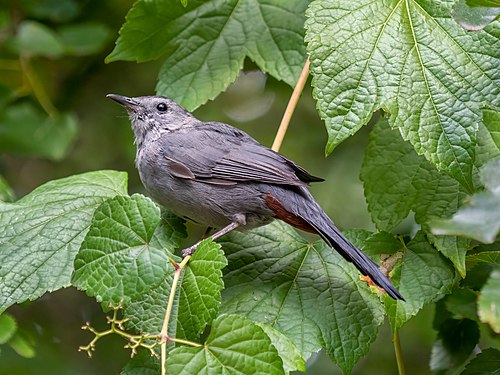
Gray Catbird
Dumetella carolinensis

American Redstart
Setophaga ruticilla

Red-legged Thrush
Turdus plumbeus

Palm Warbler
Setophaga palmarum

Greater Antillean Grackle
Quiscalus niger

Cuban Pewee
Contopus caribaeus

Cuban Blackbird
Dives atroviolaceus

Tawny-shouldered Blackbird
Agelaius humeralis

Northern Parula
Setophaga americana

Black-throated Blue Warbler
Setophaga caerulescens

Common Yellowthroat
Geothlypis trichas

Yellow-faced Grassquit
Tiaris olivaceus
📅 Monthly Probability
☀️ When They're Spotted
Most active during daytime hours (6am–6pm) · across all parks (global)
Global Distribution
Where this species is recorded worldwide. Restricted to human observations from 2019 onwards — the same kind of record and the same period the probabilities on this page are built from, so collar-tracking studies, camera-trap arrays and museum specimens are excluded. Around Santa Rosa that removes 5,924 GPS fixes from a handful of tagged jaguars.
where this species is recorded (GBIF density — it tracks where observers go, not how likely a sighting is) · parks where it occurs — tap a pin for the sighting probability there
Parks Where Found
Quick answers
What are the chances of seeing a Northern Mockingbird in Ciénaga de Zapata?
About 49% of wildlife watchers report a Northern Mockingbird sighting in Ciénaga de Zapata, based on 795 days of visitor records from GBIF citizen-science data.
When is the best time to see Northern Mockingbird in Ciénaga de Zapata?
May has the highest sighting rate for Northern Mockingbird in Ciénaga de Zapata in our monthly data.