


Kokoe Poison Frog
Phyllobates aurotaenia
- KingdomAnimalia (Animals)
- PhylumChordata (Cordats)
- ClassAmphibia (Amfibis)
- OrderAnura (Anurs)
- FamilyDendrobatidae (Poison Dart Frogs)
- GenusPhyllobates
- SpeciesPhyllobates aurotaenia (Kokoe Poison Frog)
Phyllobates aurotaenia is a member of the frog family Dendrobatidae, which are found in the tropical environments of Central and South America. First described by zoologist George Albert Boulenger in 1913, P. aurotaenia is known for being the third most poisonous frog in the world. It is the smallest of the poison dart frogs in the Phyllobates genus and is endemic to the Pacific coast of Colombia. Wild specimens store batrachotoxin in glands in their skin, which can be fatal to humans in doses as small as 100 μg. The unique lethality of their poison is a trait often exploited by certain Native American peoples of Colombia for hunting. The members of this species are characterized by: black dorsums, sometimes covered by orange suffusions; green, yellow, orange, or brownish gold dorsolateral stripes; and black abdomens with blue or green dots. Wikipedia →
50–60% of wildlife watchers report a Kokoe Poison Frog sighting in Utría National Natural Park, based on 10 days of visitor records from GBIF citizen-science data.
Closest Relatives at Utría National Natural Park

Chocó Poison Dart Frog
Oophaga solanensis

Yellow-bellied Poison Frog
Andinobates fulguritus

Green and Black Dart-poison Frog
Dendrobates auratus

Pratt's Poison Frog
Colostethus pratti

Condoto Stubfoot Toad
Atelopus spurrelli
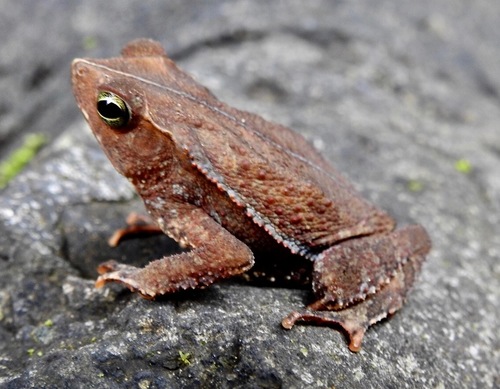
Forest Toad
Rhinella alata

Fringe-Limbed Tree Frog
Cochranella euknemos

Masked Tree Frog
Smilisca phaeota

Dwarf Glass Frog
Teratohyla spinosa

Giant Marine Toad
Rhinella horribilis

Choco Robber Frog
Strabomantis anomalus

Ghost Glass Frog
Sachatamia ilex
📅 Monthly Probability
☀️ When They're Spotted
Most active during daytime hours (6am–6pm) · across all parks (global)
Global Distribution
Where this species is recorded worldwide. Restricted to human observations from 2019 onwards — the same kind of record and the same period the probabilities on this page are built from, so collar-tracking studies, camera-trap arrays and museum specimens are excluded. Around Santa Rosa that removes 5,924 GPS fixes from a handful of tagged jaguars.
where this species is recorded (GBIF density — it tracks where observers go, not how likely a sighting is) · parks where it occurs — tap a pin for the sighting probability there
Parks Where Found
| # | Park | Country | Probability |
|---|---|---|---|
| 1 | Utría National Natural Park | 🇨🇴 Colombia |
More parks will be added in future updates.
Quick answers
What are the chances of seeing a Kokoe Poison Frog in Utría National Natural Park?
About 50% of wildlife watchers report a Kokoe Poison Frog sighting in Utría National Natural Park, based on 10 days of visitor records from GBIF citizen-science data.
When is the best time to see Kokoe Poison Frog in Utría National Natural Park?
February has the highest sighting rate for Kokoe Poison Frog in Utría National Natural Park in our monthly data.