


Evening Grosbeak
Hesperiphona vespertina
- KingdomAnimalia (Animals)
- PhylumChordata (Cordats)
- ClassAves (Aus)
- OrderPasseriformes
- FamilyFringillidae (Fringíl·lids)
- GenusHesperiphona (Evening and Hooded Grosbeaks)
- SpeciesHesperiphona vespertina (Evening Grosbeak)
The evening grosbeak (Hesperiphona vespertina) is a passerine bird in the finch family Fringillidae found in North America. The evening grosbeak is bulky, with a large bill and short tail. The bird has a distinct appearance, with the adult male featuring a bright yellow forehead and body, brown head, and white wing patches, while the adult female has a mainly olive-brown body with greyer underparts and white wing patches. The evening grosbeak breeds in coniferous and mixed forests across Canada, the western mountainous areas of the United States, and Mexico. Its migration pattern is variable, sometimes reaching as far south as the southern U.S. in winters. These birds forage in trees and bushes, and their diet mainly consists of seeds, berries, and insects. Wikipedia →
Closest Relatives at Point Pelee National Park

American Goldfinch
Spinus tristis

House Finch
Haemorhous mexicanus

Purple Finch
Haemorhous purpureus

Common Redpoll
Acanthis flammea

Pine Siskin
Spinus pinus

White-winged Crossbill
Loxia leucoptera

Red-winged Blackbird
Agelaius phoeniceus

American Robin
Turdus migratorius

Northern Cardinal
Cardinalis cardinalis
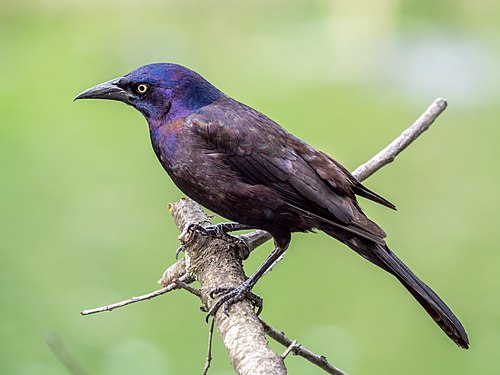
Common Grackle
Quiscalus quiscula

Blue Jay
Cyanocitta cristata

Tree Swallow
Tachycineta bicolor
📅 Monthly Probability
Fewer than 5 records of Evening Grosbeak at Point Pelee National Park — not enough to chart months honestly.
☀️ When They're Spotted
Most active during daytime hours (6am–6pm) · across all parks (global)
Global Distribution
Where this species is recorded worldwide. Restricted to human observations from 2019 onwards — the same kind of record and the same period the probabilities on this page are built from, so collar-tracking studies, camera-trap arrays and museum specimens are excluded. Around Santa Rosa that removes 5,924 GPS fixes from a handful of tagged jaguars.
where this species is recorded (GBIF density — it tracks where observers go, not how likely a sighting is) · parks where it occurs — tap a pin for the sighting probability there