


Sabah Keelback
Hebius flavifrons
- KingdomAnimalia (Animals)
- PhylumChordata (Cordats)
- ClassSquamata
- FamilyColubridae (Colúbrids)
- GenusHebius (Asian Keelbacks)
- SpeciesHebius flavifrons (Sabah Keelback)
The Sabah keelback (Hebius flavifrons) is a nonvenomous colubrid endemic to Borneo. Wikipedia →
10–20% of wildlife watchers report a Sabah Keelback sighting in Kinabalu Park, based on 22 days of visitor records from GBIF citizen-science data.
Closest Relatives at Kinabalu Park

Sarawak Keelback
Hebius sarawacensis

Schmidt's Reed Snake
Calamaria schmidti

Lined Reed Snake
Calamaria griswoldi

Gold-ringed Cat Snake
Boiga dendrophila
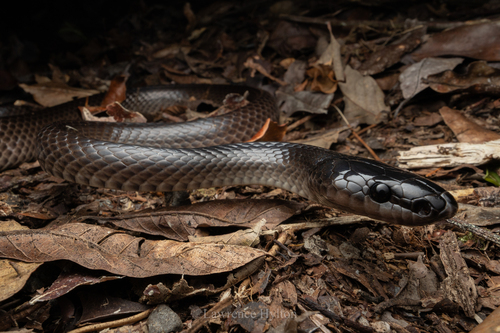
Dark-headed Sabah Groundsnake
Stegonotus caligocephalus

Gray Bronzeback
Dendrelaphis caudolineatus

Brown Rat Snake
Ptyas fusca

Elegant Bronzeback
Dendrelaphis formosus
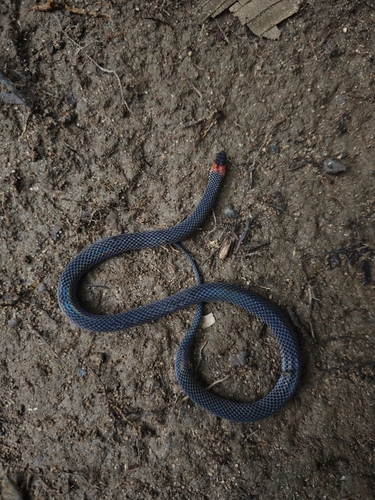
White-collared Reed Snake
Pseudorabdion albonuchalis

White-spotted Cat Snake
Boiga drapiezii

Jasper Cat Snake
Boiga jaspidea

Triangle Keelback
Xenochrophis trianguligerus
📅 Monthly Probability
☀️ When They're Spotted
Most active during daytime hours (6am–6pm) · across all parks (global)
Global Distribution
Where this species is recorded worldwide. Restricted to human observations from 2019 onwards — the same kind of record and the same period the probabilities on this page are built from, so collar-tracking studies, camera-trap arrays and museum specimens are excluded. Around Santa Rosa that removes 5,924 GPS fixes from a handful of tagged jaguars.
where this species is recorded (GBIF density — it tracks where observers go, not how likely a sighting is) · parks where it occurs — tap a pin for the sighting probability there
Parks Where Found
| # | Park | Country | Probability |
|---|---|---|---|
| 1 | Kinabalu Park | 🇲🇾 Malaysia |
More parks will be added in future updates.
Quick answers
What are the chances of seeing a Sabah Keelback in Kinabalu Park?
About 18% of wildlife watchers report a Sabah Keelback sighting in Kinabalu Park, based on 22 days of visitor records from GBIF citizen-science data.
When is the best time to see Sabah Keelback in Kinabalu Park?
February has the highest sighting rate for Sabah Keelback in Kinabalu Park in our monthly data.