


Killer Whale
Orcinus orca
- KingdomAnimalia (Animals)
- PhylumChordata (Cordats)
- ClassMammalia (Mamífers)
- OrderCetacea
- FamilyDelphinidae (Delfínids)
- GenusOrcinus
- SpeciesOrcinus orca (Killer Whale)
The orca (Orcinus orca), or killer whale, is a toothed whale and the largest member of the oceanic dolphin family. The only extant species in the genus Orcinus, it is recognizable by its distinct pigmentation; being mostly black on top, white on the bottom and having recognizable white eye patches. A cosmopolitan species, it inhabits a wide range of marine environments, from Arctic to Antarctic regions to tropical seas, but is more commonly documented in temperate or cooler coastal waters. Scientists have proposed dividing the global population into races, subspecies, or possibly even species. Orcas are apex predators with a diverse diet. Individual populations often specialize in particular types of prey, including bony fish, sharks, rays, and marine mammals such as seals, dolphins, and whales. Wikipedia →
5–10% of wildlife watchers report a Killer Whale sighting in Galápagos Islands, based on 36 days of visitor records from GBIF citizen-science data.
Closest Relatives at Galápagos Islands

Bottlenose Dolphin
Tursiops truncatus

Common Dolphin
Delphinus delphis

Short-finned Pilot Whale
Globicephala macrorhynchus

False Killer Whale
Pseudorca crassidens

Striped Dolphin
Stenella coeruleoalba

Risso's Dolphin
Grampus griseus

Melon-headed Whale
Peponocephala electra
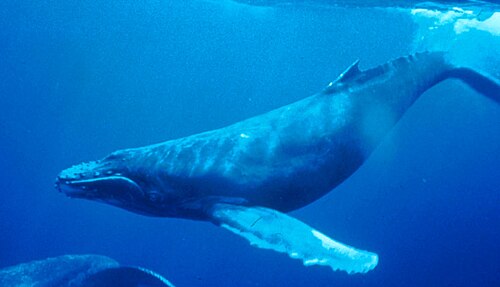
Humpback Whale
Megaptera novaeangliae

Eden's Whale
Balaenoptera edeni

Blue Whale
Balaenoptera musculus

Sperm Whale
Physeter macrocephalus

Cuvier's Beaked Whale
Ziphius cavirostris
📅 Monthly Probability
☀️ When They're Spotted
Most active during daytime hours (6am–6pm) · across all parks (global)
Global Distribution
Where this species is recorded worldwide. Restricted to human observations from 2019 onwards — the same kind of record and the same period the probabilities on this page are built from, so collar-tracking studies, camera-trap arrays and museum specimens are excluded. Around Santa Rosa that removes 5,924 GPS fixes from a handful of tagged jaguars.
where this species is recorded (GBIF density — it tracks where observers go, not how likely a sighting is) · parks where it occurs — tap a pin for the sighting probability there
Parks Where Found
| # | Park | Country | Probability |
|---|---|---|---|
| 1 | Kenai Fjords National Park | 🇺🇸 United States | |
| 2 | Península Valdés | 🇦🇷 Argentina | |
| 3 | Great Bear Rainforest | 🇨🇦 Canada | |
| 4 | Pacific Rim National Park Reserve | 🇨🇦 Canada | |
| 5 | Olympic National Park | 🇺🇸 United States | |
| 6 | Wrangell-St. Elias National Park | 🇺🇸 United States | |
| 7 | Channel Islands National Park | 🇺🇸 United States | |
| 8 | Ningaloo Marine Park | 🇦🇺 Australia | |
| 9 | Bahía de Loreto National Park | 🇲🇽 Mexico | |
| 10 | Galápagos Islands | 🇪🇨 Ecuador | |
| 11 | Table Mountain National Park | 🇿🇦 South Africa | |
| 12 | Katmai National Park | 🇺🇸 United States | |
| 13 | Coiba National Park | 🇵🇦 Panama | |
| 14 | Freycinet National Park | 🇦🇺 Australia | |
| 15 | Booderee National Park | 🇦🇺 Australia | |
| 16 | Ostional Wildlife Refuge | 🇨🇷 Costa Rica | |
| 17 | El Vizcaíno Biosphere Reserve | 🇲🇽 Mexico | |
| 18 | Darién National Park | 🇵🇦 Panama | |
| 19 | Tijuca National Park | 🇧🇷 Brazil | |
| 20 | Namib-Naukluft National Park | 🇳🇦 Namibia |
Quick answers
What are the chances of seeing a Killer Whale in Galápagos Islands?
About 7% of wildlife watchers report a Killer Whale sighting in Galápagos Islands, based on 36 days of visitor records from GBIF citizen-science data.
When is the best time to see Killer Whale in Galápagos Islands?
November has the highest sighting rate for Killer Whale in Galápagos Islands in our monthly data.