Emas National Park
🇧🇷 Brazil
🐺 Maned Wolf's Dry-Season SpectacleEmas National Park lies in the heart of Brazil’s Cerrado, a tropical savanna of scattered trees, tall grasses and seasonally flooded wetlands. The landscape stretches across rolling plateaus and open grasslands, intersected by shallow rivers that create patches of gallery forest.
-18.132° S 52.921° W
Wildlife
⭐ Iconic Species
 ★
★ Maned Wolf
Chrysocyon brachyurus
 ★
★ Greater Rhea
Rhea americana
 ★
★ Giant Anteater
Myrmecophaga tridactyla
 ★
★ Pampas Deer
Ozotoceros bezoarticus
📊 Most Spotted
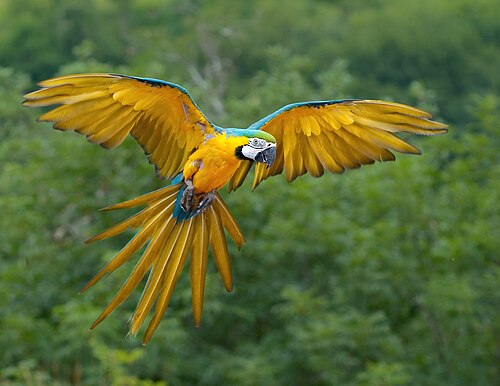
Blue-and-yellow Macaw
Ara ararauna

Peach-fronted Parakeet
Aratinga aurea

Curl-crested Jay
Cyanocorax cristatellus

Black-throated Saltator
Saltatricula atricollis

Chopí Blackbird
Gnorimopsar chopi

Crested Caracara
Caracara plancus

White-rumped Monjita
Xolmis velatus

Blue-black Grassquit
Volatinia jacarina

Picazuro Pigeon
Patagioenas picazuro

Chalk-browed Mockingbird
Mimus saturninus

South American Tapir
Tapirus terrestris

Saffron Finch
Sicalis flaveola
⭐ Iconic Species
★ Maned Wolf
Chrysocyon brachyurus
★ Giant Anteater
Myrmecophaga tridactyla
★ Pampas Deer
Ozotoceros bezoarticus
📊 Most Spotted
South American Tapir
Tapirus terrestris

Crab-eating Fox
Cerdocyon thous

White-lipped Peccary
Tayassu pecari

Azara's Agouti
Dasyprocta azarae

Six-banded Armadillo
Euphractus sexcinctus

Marsh Deer
Blastocerus dichotomus

Lesser Long-nosed Armadillo
Dasypus septemcinctus
Pantanal Cat
Leopardus braccatus

Big-eared Woolly Bat
Chrotopterus auritus

Collared Peccary
Pecari tajacu

Cabasu
Cabassous unicinctus

Hoary Fox
Lycalopex vetulus
⭐ Iconic Species
📊 Most Spotted
Blue-and-yellow Macaw
Ara ararauna
Peach-fronted Parakeet
Aratinga aurea
Curl-crested Jay
Cyanocorax cristatellus
Black-throated Saltator
Saltatricula atricollis
Chopí Blackbird
Gnorimopsar chopi
Crested Caracara
Caracara plancus
White-rumped Monjita
Xolmis velatus
Blue-black Grassquit
Volatinia jacarina
Picazuro Pigeon
Patagioenas picazuro
Chalk-browed Mockingbird
Mimus saturninus
Saffron Finch
Sicalis flaveola

Red-legged Seriema
Cariama cristata
📊 Most Spotted

Argentine Black-and-white Tegu
Salvator merianae

Cerrado Lancehead
Bothrops pauloensis

Neotropical Rattlesnake
Crotalus durissus

Red-tailed Boa
Boa constrictor

Urutu Lancehead
Bothrops alternatus

Amazon Racerunner
Ameiva ameiva

Brazilian Lancehead
Bothrops moojeni

Brazilian Green Racer
Philodryas aestiva

Red-Footed Tortoise
Chelonoidis carbonarius

Yellow Tegu
Salvator duseni

Eastern Rainbow Boa
Epicrates crassus

Southern Coralsnake
Micrurus frontalis
📊 Most Spotted

Fuscous-blotched Snouted Tree Frog
Scinax fuscovarius

Cururu Toad
Rhinella diptycha

Pepper Frog
Leptodactylus labyrinthicus

Chaco Tree Frog
Boana raniceps

Chupada Swamp Frog
Pseudopaludicola saltica

Rusty Toad
Rhinella rubescens

Lesser Tree Frog
Dendropsophus minutus

Araguari Tree Frog
Boana paranaiba

Yellow-spotted Tree Frog
Boana albopunctata

Cuyaba Dwarf Frog
Physalaemus nattereri

Boettger's Caecilian
Siphonops paulensis

Whistling Grass Frog
Leptodactylus fuscus
Animal Events
Maned Wolf Dry-Season Sightings
Peak dry-season visibility of maned wolves hunting in the open, short-grass Cerrado; mammal-watching tours in this window record 8-9 separate day and night encounters
Giant Anteater Foraging Season
Dry-season foraging on the park's vast termite-mound grasslands, when low grass makes anteaters conspicuous — visiting groups log up to 10 encounters
Greater Rhea Nesting Season
Spring breeding of the park's namesake bird: males build ground nests, incubate communal clutches and shepherd chicks across the open campo
Sighting Calendar
Chance of spotting each species, month by month
Sighting Zones
Warm areas are where all species together are recorded most, so they track where people go as much as where animals are. For one species, see the map on its own page.
Where Wildlife Score
How good is this park for seeing wildlife?Biodiversity
Very goodHow rich is the wildlife?
Sighting
ExcellentHow likely to see animals?
Quick answers
What animals can you see in Emas National Park?
The most likely sightings are Blue-and-yellow Macaw (seen by 80–90% of wildlife watchers), Peach-fronted Parakeet (seen by 70–80% of wildlife watchers), Curl-crested Jay (seen by 70–80% of wildlife watchers), Black-throated Saltator (seen by 70–80% of wildlife watchers), Chopí Blackbird (seen by 70–80% of wildlife watchers) — among 955 recorded vertebrate species, based on citizen-science data from GBIF.
When is the best time to visit Emas National Park for wildlife?
August has the highest combined sighting rate for the park's top species in our month-by-month GBIF data. The full sighting calendar on this page shows each species' best months.
Can you see Maned Wolf in Emas National Park?
Yes — about 69% of wildlife watchers report a Maned Wolf sighting in Emas National Park, based on 63 days of visitor records from GBIF citizen-science data.
Can you see Greater Rhea in Emas National Park?
Yes — about 49% of wildlife watchers report a Greater Rhea sighting in Emas National Park, based on 89 days of visitor records from GBIF citizen-science data.
Can you see Giant Anteater in Emas National Park?
It's possible but not guaranteed: about 15% of wildlife watchers report a Giant Anteater sighting in Emas National Park, based on 3 days of visitor records from GBIF citizen-science data. Sightings take luck and time in the field.
Can you see Pampas Deer in Emas National Park?
Yes — about 66% of wildlife watchers report a Pampas Deer sighting in Emas National Park, based on 56 days of visitor records from GBIF citizen-science data.
Explore Other Parks
_-_Flickr_-_berniedup.jpg?width=1920) 📍 418 km 🐆 Jaguars on the Cuiabá Riverbanks
📍 418 km 🐆 Jaguars on the Cuiabá Riverbanks Parque Estadual Encontro das Águas
.JPG?width=1920) 📍 447 km 🦜 Red-and-Green Macaw Cliffs
📍 447 km 🦜 Red-and-Green Macaw Cliffs Chapada dos Guimarães National Park
 📍 700 km 🦫 Giant Anteaters Roam Ancient Grassland Plateaus
 Serra da Canastra National Park
 📍 801 km 🐒 Coati and Capuchin Falls