


American Beaver
Castor canadensis
- KingdomAnimalia (Animals)
- PhylumChordata (Cordats)
- ClassMammalia (Mamífers)
- OrderRodentia (Rosegadors)
- FamilyCastoridae (Beavers)
- GenusCastor (Beavers)
- SpeciesCastor canadensis (American Beaver)
The North American beaver (Castor canadensis) is one of two extant beaver species, along with the Eurasian beaver (Castor fiber). It is native to North America and has been introduced in South America (Patagonia) and Europe (primarily Finland and Karelia). The North American beaver is one of the national symbols of Canada and the official state mammal of Oregon and New York. North American beavers are widespread across the continental United States, Canada, southern Alaska, and some parts of northern Mexico. In Canada and the United States, the North American beaver is often referred to simply as "beaver", although this can cause some confusion because another distantly related rodent, Aplodontia rufa, is often called the "mountain beaver". Other vernacular names, including American beaver and Canadian beaver, distinguish this species from the other extant beaver species, Castor fiber, which is native to Eurasia. Wikipedia →
20–30% of wildlife watchers report a American Beaver sighting in Acadia National Park, based on 132 days of visitor records from GBIF citizen-science data.
Closest Relatives at Acadia National Park

American Red Squirrel
Tamiasciurus hudsonicus
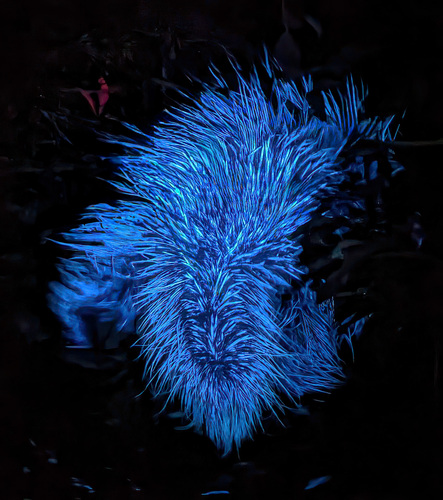
Quiller
Erethizon dorsatus

Eastern Chipmunk
Tamias striatus

Eastern Gray Squirrel
Sciurus carolinensis
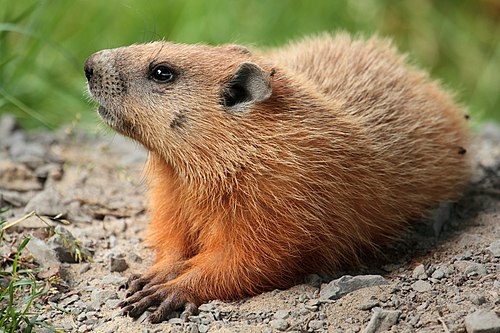
Woodchuck
Marmota monax

Meadow Vole
Microtus pennsylvanicus

Muskrat
Ondatra zibethicus

Deer Mouse
Peromyscus maniculatus

White-footed Mouse
Peromyscus leucopus

Gapperrotelmaus
Myodes gapperi

Northern Flying Squirrel
Glaucomys sabrinus
📅 Monthly Probability
🌅 When They're Spotted
Most active at dawn and dusk · across all parks (global)
Global Distribution
Where this species is recorded worldwide. Restricted to human observations from 2019 onwards — the same kind of record and the same period the probabilities on this page are built from, so collar-tracking studies, camera-trap arrays and museum specimens are excluded. Around Santa Rosa that removes 5,924 GPS fixes from a handful of tagged jaguars.
where this species is recorded (GBIF density — it tracks where observers go, not how likely a sighting is) · parks where it occurs — tap a pin for the sighting probability there
Parks Where Found
Quick answers
What are the chances of seeing a American Beaver in Acadia National Park?
About 28% of wildlife watchers report a American Beaver sighting in Acadia National Park, based on 132 days of visitor records from GBIF citizen-science data.
When is the best time to see American Beaver in Acadia National Park?
November has the highest sighting rate for American Beaver in Acadia National Park in our monthly data.